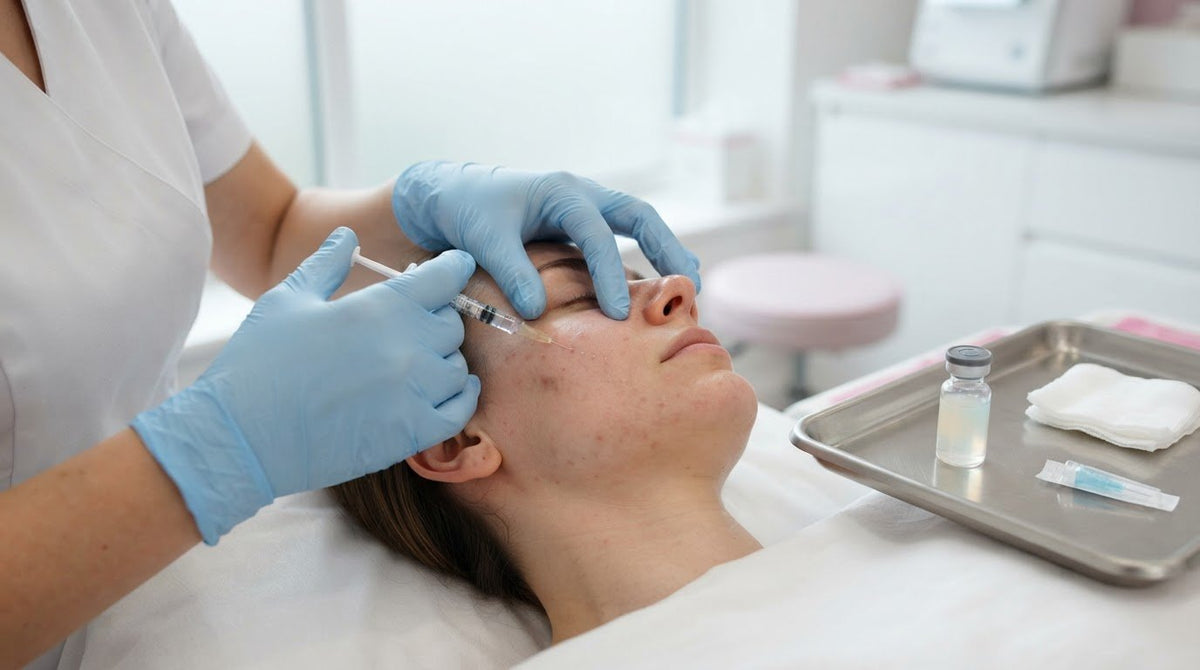
Aesthetic Treatment Trends 2026 for UK Clinics
Clients are no longer arriving with one saved image and asking for a dramatic change. They are asking for skin that looks rested, lips that still look like their lips, and treatment plans that make sense across the next six to 12 months. That shift sits at the heart of aesthetic treatment trends 2026 - and it has real implications for how clinics build menus, consult, price packages and buy stock.
For practitioners, the opportunity is not to chase every new launch. It is to recognise which treatment categories support better outcomes, repeat bookings and a commercially sensible diary. The strongest clinics will pair visible results with appropriate clinical assessment, sound technique, realistic expectations and reliable product sourcing.
Aesthetic treatment trends 2026: refinement over reinvention
The headline for 2026 is not bigger treatments. It is better planning. Clients are increasingly educated about aesthetics, but they are also more alert to over-treatment, recovery time and value. They want considered recommendations rather than a one-size-fits-all injectable appointment.
That puts full-face assessment back where it belongs. Instead of treating a single line or feature in isolation, practitioners are looking at skin quality, hydration, structural support, movement, facial proportions and the client’s maintenance appetite. A subtle result can still be commercially powerful when it is supported by a plan the client understands and wants to return for.
Natural-looking does not mean minimal skill or minimal product. It means the treatment choice, placement and timeline are tailored. For some clients, that may mean a conservative dermal filler approach. For others, it may mean focusing on skin boosters, polynucleotides, peels or collagen-stimulating treatments before considering volume at all.
Regenerative-led treatment plans keep gaining ground
Skin quality is becoming the centre of more aesthetic conversations. Clients want glow, bounce, texture improvement and a fresher overall look, particularly when they are cautious about obvious volumisation. This is why regenerative and biostimulatory categories are likely to remain high on clinic wish lists in 2026.
Polynucleotides are well positioned within this movement, especially for practitioners building plans around skin support and delicate areas such as the under-eye region. Exosome-led protocols also continue to attract attention in professional aesthetics, often alongside microneedling and post-procedure skin-focused treatment plans. As with any emerging category, claims must stay proportionate to the evidence, product instructions and your professional scope of practice.
PLLA products are another category to watch where a gradual, collagen-focused approach suits the client and practitioner. They require confident consultation and a clear explanation of timeline. This is not an instant-gratification treatment category, which is exactly why it can work well for clients who value a longer-view approach to facial rejuvenation.
The commercial lesson is simple: stock should support protocols, not random appointments. If you offer a skin-quality journey, ensure the products and consumables behind it are consistently available. A client who commits to a course should not encounter a broken plan because a core item was not reordered in time.
Combination treatments become more intentional
Combination treatments are nothing new, but the 2026 version is more disciplined. The aim is not to stack procedures for the sake of it. It is to select complementary approaches that address different needs while respecting recovery, contraindications and treatment intervals.
A client concerned about dullness, fine lines and dehydration may be better served by a staged programme of professional skin treatments and injectables than one high-impact appointment. A contouring client may need a conversation about whether fat dissolving solutions, skin quality support or a different referral pathway is most appropriate. Good treatment planning protects trust as much as it supports revenue.
Clinics should also be cautious about creating packages that feel inflexible. A course can offer clarity and encourage commitment, but it must leave room for clinical judgement at each review. The plan is a guide, not a guarantee.
The return of purposeful injectables
Dermal fillers will remain a core category, but the demand is moving towards refinement, restoration and balance. Clients are asking more questions about product selection, longevity and whether they will still look like themselves. Those questions are a positive sign. They create space for skilled practitioners to explain why the cheapest or most dramatic option is not always the right one.
Under-eye treatments will continue to require particular care. It is an area where client demand can be high and social media expectations can be unrealistic. Assessment matters: hollowing, pigmentation, laxity, oedema and lifestyle factors can look similar in a selfie but call for very different decisions. Sometimes the most professional answer is to decline treatment or recommend a different route.
Lip work is also evolving towards shape, hydration and proportion. The standout results will be the ones that suit the face, not the trends feed. Practitioners who photograph consistently, document carefully and set boundaries around over-filling will be better placed to build long-term client loyalty.
Skin-first maintenance is a stronger recurring revenue model
One-off transformation appointments can fill a social feed. Maintenance programmes fill a diary. As clients become more selective, clinics have an opportunity to build treatment plans around regular skin support rather than relying solely on occasional high-ticket injectable bookings.
Chemical peels, microneedling protocols, skin boosters and selected regenerative categories can create a practical rhythm of care for the right client. The exact combination depends on skin concern, season, downtime tolerance, budget and practitioner assessment. Not every client needs every treatment, and pushing an overloaded plan will usually cost more trust than it creates in revenue.
This model also changes stock management. High-turnover consumables, aftercare essentials and dependable treatment staples need the same attention as headline products. A clinic cannot deliver polished service if it is scrambling for needles, cannulas, cleansing products or post-treatment supplies five minutes before an appointment.
What aesthetic treatment trends 2026 mean for your buying strategy
Trend-led buying can be expensive when it is driven by hype. The better approach is to assess demand through your own consultation data, repeat-booking patterns and local client base. A category might be all over social media, yet still be a poor fit for your clinic’s skill set, insurance position or audience.
Start by separating your stock into three groups: proven core lines, growth categories and test purchases. Core lines are the products you reorder because they support regular treatments. Growth categories deserve a planned investment with staff training, protocols and client communication behind them. Test purchases should be tightly controlled until you have enough demand to justify a wider commitment.
Fast fulfilment matters here. It gives clinics more flexibility to replenish proven stock without tying up unnecessary cash in slow-moving products. But convenience should never replace forward planning. Keep a clear reorder point for your best sellers, especially around busy seasonal periods, and review expiry dates as part of routine stock control.
For UK practitioners, supply confidence is part of the client experience. Purchasing professional-use products through a supplier that understands clinic ordering, prioritises secure payments and offers responsive support can reduce operational friction when the diary is full. Skin Candy’s practitioner-focused range is built around the categories clinics are actively using, from fillers and boosters to peels, polynucleotides and essential consumables.
The trend that matters most: informed restraint
Aesthetics is becoming more sophisticated, not simply more complicated. The clinics that stand out in 2026 will be the ones that can say yes with confidence, no when necessary, and not yet when timing matters. They will treat each product category as part of a broader clinical and commercial system rather than a quick answer to an online trend.
Keep your menu focused, your protocols clear and your stock aligned with the treatments you deliver brilliantly. The best glow-up for a clinic is a client base that trusts your judgement enough to come back.