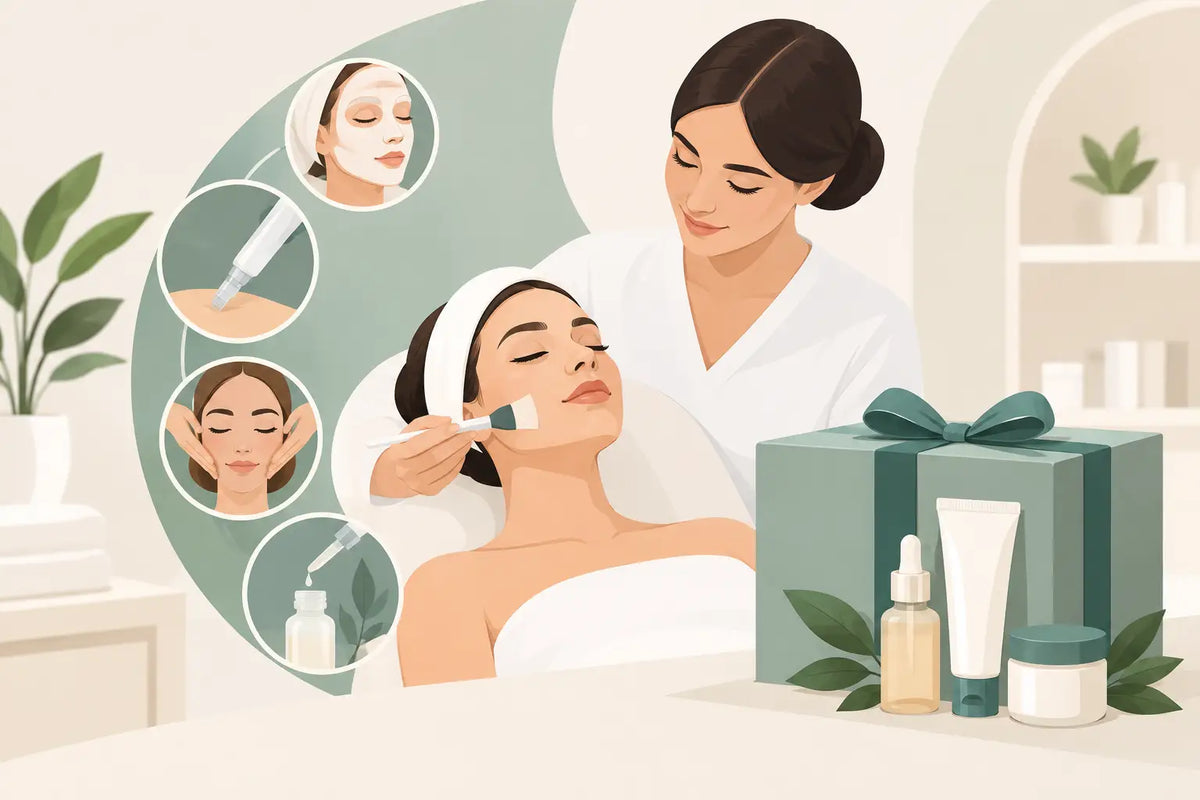
Aesthetic Treatment Bundles That Sell Smarter
A client asks for brighter skin, softer lines and a fresher-looking under-eye area. They are not thinking in product categories - and neither should your treatment menu. Well-built aesthetic treatment bundles turn a collection of standalone appointments into a clear, clinically appropriate plan with better continuity, stronger client confidence and more purposeful stock buying.
For busy clinics, bundles are not about piling treatments together for the sake of a headline offer. They are about matching complementary modalities to a genuine client concern, planning review points properly and keeping your most commercially useful treatment lines working harder. Done well, a bundle feels premium, considered and easy to explain. Done badly, it can dilute clinical judgement, complicate aftercare and leave you holding stock that does not move.
Why bundles work for modern aesthetics clinics
Clients often arrive with a broad goal: glow, hydration, texture refinement, facial balance or a more rested appearance. A single treatment may be appropriate, but a staged plan can make more sense where concerns are multifactorial. For the practitioner, that creates an opportunity to frame treatment around outcomes, timing and suitability rather than a one-off product choice.
A thoughtful bundle also gives your consultation more structure. Instead of jumping straight to a procedure, you can discuss the client’s starting point, priorities, budget, downtime tolerance and the result they realistically want to maintain. The bundle then becomes a proposed pathway, not a hard sell.
Commercially, this matters. Pre-planned courses can improve appointment visibility, encourage timely review bookings and support more reliable purchasing across the products and consumables your clinic uses most. That does not mean every client needs a package. Some will be better served by one focused treatment and an honest review later. Trust is worth more than forcing a fit.
Start with outcomes, not excess stock
The strongest aesthetic treatment bundles begin with a specific outcome your team can communicate in one sentence. “Supporting skin quality and hydration over a planned course” is clearer than a long list of brands or actives. “A refreshed eye-area plan, subject to assessment” is more compelling than promising a dramatic transformation.
Map your existing treatment menu against the concerns you see repeatedly. If your diary is full of clients asking about dehydrated skin, dullness and early textural change, your stock plan may naturally centre on skin boosters, microneedling protocols, targeted professional skincare and relevant consumables. If facial balancing is a core part of your practice, a staged review-led approach may be more appropriate than treating multiple areas at the first appointment.
Avoid building a bundle around a product simply because it is on promotion. Promotional pricing can improve margin and make a trial purchase attractive, but it should support a treatment pathway your practitioners already understand and can deliver within their training, insurance and scope of practice.
Four bundle formats worth considering
There is no single package that suits every clinic. The right format depends on your client base, practitioner skill set, local demand and the protocols you are equipped to run safely. These four formats offer a useful starting point.
- The skin-quality course: A planned series focused on hydration, luminosity, texture or visible skin resilience. This may combine appropriate skin boosters, microneedling or professional peel protocols, with timing based on skin assessment and recovery needs.
- The event-ready plan: A carefully timed programme for clients preparing for a wedding, holiday or major event. The key is conservative planning, realistic expectations and enough time for review - never a last-minute rush.
- The maintenance membership-style plan: A predictable schedule for established clients who understand their treatment goals and attend regularly. This can support retention, provided inclusions, expiry terms and clinical reassessment points are completely clear.
- The concern-led combination plan: A staged route for a concern such as tired-looking skin, uneven texture or loss of facial freshness. Each step should have a reason, and the plan should leave room to pause, review or adjust.
Build the protocol before you build the offer
A bundle should never ask your team to improvise. Before you advertise anything, agree the consultation criteria, contraindications, consent process, treatment intervals, aftercare, review schedule and escalation route. Then decide which elements are fixed and which remain optional following assessment.
This is especially relevant when your menu spans injectables, chemical peels, regenerative categories, microneedling and skin boosters. Treatments may complement each other, but they are not automatically suitable together or suitable at the same time. Skin condition, medical history, previous treatments, healing response and client preference all affect the plan.
Give practitioners permission to say no, defer a treatment or simplify the package. A client may book a skin-quality bundle but present with a compromised barrier, an upcoming event that makes downtime unsuitable or expectations that need recalibrating. That is not a failed sale. It is good practice and the kind of professionalism that brings clients back.
Your written protocol should also protect operational standards. Record batch details where required, keep treatment documentation consistent, account for consumables in your costings and ensure every practitioner uses approved products supplied through legitimate professional channels. A low headline price is not profitable if it ignores chair time, review appointments, PPE, sharps disposal, consumables and the expertise behind the treatment.
Price for clarity and margin
There are several ways to price a bundle. You might offer a modest saving against individually booked sessions, include a review appointment, or hold the price when the client commits to a pre-agreed course. The best option depends on your margins and how much flexibility the treatment plan needs.
Be cautious with deep discounts, particularly for treatments that require a detailed consultation, premium product input or a skilled injector’s time. Discounting too hard can attract clients who are focused only on price and make it harder to protect the value of your work later. A better proposition is often visible value: a planned journey, professional review, coordinated scheduling and a clear explanation of why each stage is there.
Keep the terms simple. State whether payment is due in full or staged, how long the plan is valid for, what happens if a clinical reassessment changes the pathway and whether missed appointments affect the offer. Clients do not need legal jargon, but they do need transparency.
Stock your bundles without tying up cash
Bundles can make purchasing more predictable, but only if you plan them around real demand. Start with your best-performing categories and review your last few months of bookings. Look for treatments that are requested consistently, have sensible repeat intervals and use products with stock levels you can maintain.
Then calculate the true number of treatment units required for a typical month. Include a sensible buffer, but do not overbuy because a bundle looks exciting on paper. Product shelf life, storage requirements, clinician availability and seasonality all matter. A winter peel-focused campaign may not have the same pace in late spring, while event-led demand can rise sharply before wedding season and holidays.
For UK clinics that need stock quickly, reliable fulfilment can make a genuine difference to how confidently you promote a course. Skin Candy is built around practitioner-led purchasing, with professional treatment categories and fast dispatch options designed to help clinics replenish without the usual stock stress. Still, the smartest buying decision is the one tied to a protocol your team is ready to deliver - not a product trend alone.
Sell the plan with confidence, not pressure
Your consultation is where the bundle earns its place. Show the client what you have observed, explain the treatment options in plain language and outline what can reasonably be achieved over time. Use before-and-after imagery only where consent, consistency and relevance are beyond question. Avoid guarantees, especially where outcomes vary between individuals.
A simple visual treatment timeline can help: consultation and preparation, first treatment, recovery or follow-up, then review. It makes the commitment feel manageable and gives clients a clear reason to book their next appointment before they leave.
Train the whole team to use the same language. Reception should know the difference between a course and a fixed promise. Practitioners should know the commercial framework without feeling pressured to recommend unsuitable treatments. Consistency protects the client experience and makes your brand feel considered at every touchpoint.
The best bundles do not make clients feel sold to. They make a high-quality treatment plan easier to understand, easier to commit to and easier for your clinic to deliver with confidence. Keep the offer focused, keep the assessment individual, and let great results do the talking.