What Is Chemical Peel Skin Treatment?
Clients usually ask the same thing before they book - what is chemical peel skin treatment, and will it actually make a visible difference? For clinics, that question matters because peels sit in a sweet spot: results-led, scalable, and versatile enough to fit acne, pigmentation, texture and ageing protocols. When selected well and applied properly, they can be one of the most commercially reliable skin treatments on a clinic menu.
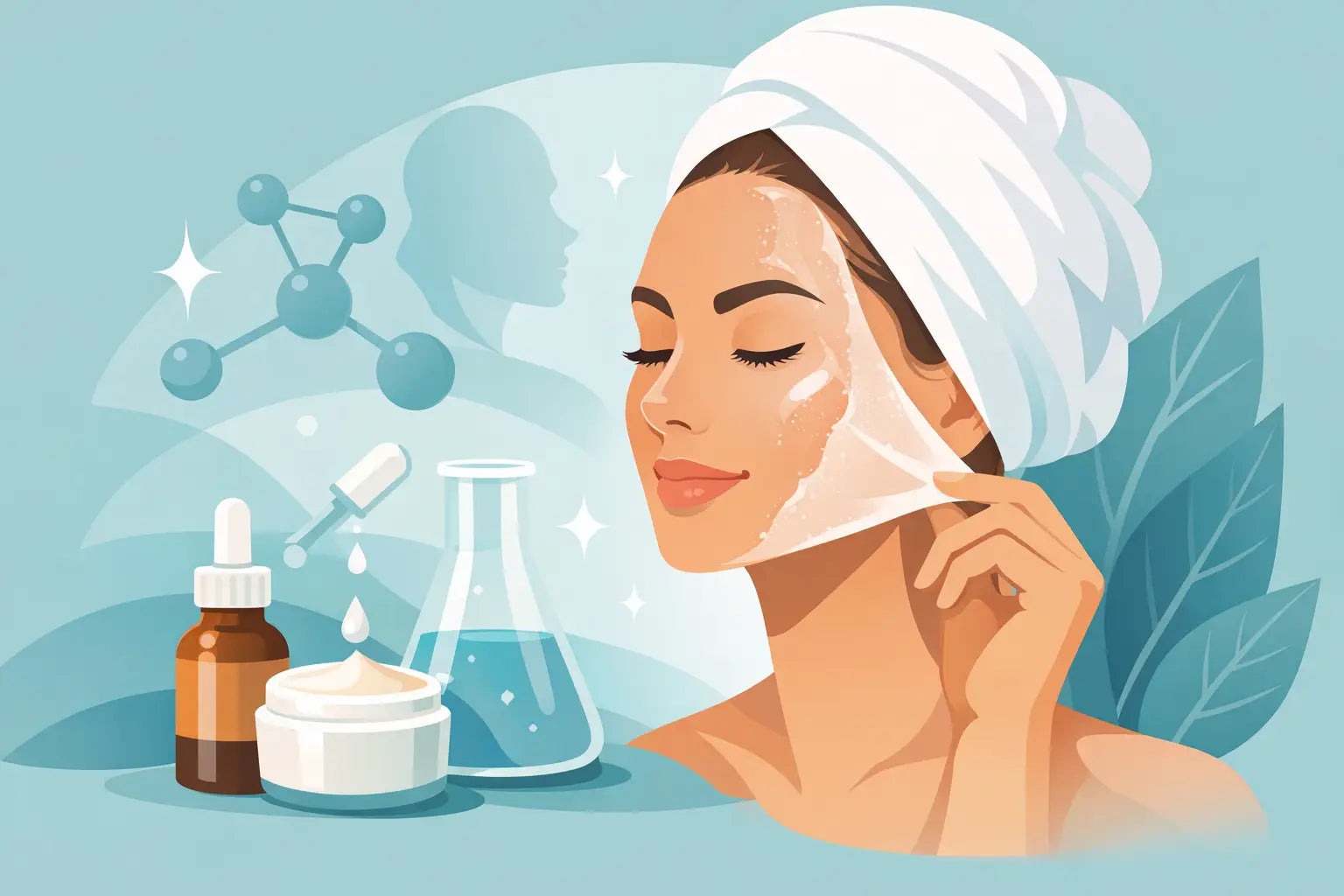
A chemical peel is a controlled skin resurfacing treatment that uses acids or active exfoliating agents to remove damaged outer layers of skin and encourage regeneration. The goal is not simply to "peel" for the sake of it. The point is to improve skin function and appearance by accelerating cell turnover, refining texture, evening tone and supporting fresher, clearer skin.
What is chemical peel skin treatment doing to the skin?
At a clinical level, a chemical peel creates a measured injury in the skin. That sounds blunt, but it is the right way to think about it. The treatment deliberately disrupts bonds between skin cells and, depending on the formula and depth, can stimulate epidermal renewal and some degree of dermal remodelling.
The strength of that response depends on several factors: the acid used, its concentration, the pH, the vehicle, the number of layers applied, skin preparation and the client's baseline tolerance. This is why two peels with the same headline ingredient can perform very differently in practice.
For practitioners, that is the commercial and clinical appeal. Chemical peels are not a one-note treatment. They can be positioned as a brightening course, a blemish-focused option, a texture refiner or part of a broader skin rejuvenation plan.
The main types of chemical peel skin treatment
Most peels fall into three practical categories: superficial, medium and deep. In everyday clinic use, superficial and selected medium-depth peels are the most common because they offer strong visible improvement with more manageable downtime.
Superficial peels
These work primarily within the epidermis. They are often built around glycolic acid, lactic acid, mandelic acid, salicylic acid or blended formulations. Superficial peels are typically chosen for dullness, mild acne, congestion, early pigmentation and uneven tone.
They are popular for a reason. They are adaptable, relatively quick to perform and easier to build into a course of treatments. For many clients, this category gives enough glow and clarity without the disruption that comes with more aggressive resurfacing.
Medium peels
Medium peels penetrate more deeply, often reaching the papillary dermis. They are used when a practitioner wants a stronger correction for concerns such as more established photoageing, pigmentation or acne-related textural change.
These peels can produce better correction, but the trade-off is obvious: more downtime, stricter aftercare and tighter client selection. If a client wants results but cannot realistically manage post-treatment peeling, erythema or social downtime, a medium peel may not be the right fit.
Deep peels
Deep peels are far less common in standard aesthetics settings and require a much higher level of clinical oversight. They are not the starting point for most clinics, nor for most clients. In modern practice, many providers focus instead on safer, staged treatment plans using controlled superficial or medium-depth protocols.
Which acids are commonly used?
Not all peel acids behave in the same way, and that matters when building protocols that actually perform.
Glycolic acid is a strong all-rounder for exfoliation, radiance and fine line improvement. Because its molecular size is small, penetration can be brisk, which is great for efficacy but less forgiving on reactive skins.
Lactic acid is often perceived as gentler and can suit drier or more sensitive presentations, especially where brightness and hydration support are part of the goal.
Salicylic acid is lipid-soluble, which makes it especially useful in oily, acne-prone and congested skin. It can cut through sebum and support clearer pores in a way water-soluble acids cannot match as effectively.
Mandelic acid is a favourite for practitioners who want a slower, more controlled penetration profile. It is often chosen for blemish-prone skin, post-inflammatory pigmentation and clients who need a more cautious approach.
TCA, or trichloroacetic acid, sits in a different lane. It is used for stronger resurfacing and can deliver meaningful correction, but it demands respect, careful indication and confident technique.
What concerns can chemical peels treat?
This is where peels earn their place on a clinic menu. Used appropriately, they can improve acne, post-acne marks, sun damage, superficial pigmentation, rough texture, enlarged-looking pores, fine lines and general skin dullness.
That said, the word improve is doing important work here. Peels are not magic, and they are not equally effective for every concern. Deeper scarring, active inflammatory skin conditions, laxity and structural ageing may need combination protocols rather than a peel-only plan.
For experienced practitioners, the strongest results often come from seeing peels as part of a treatment strategy rather than a standalone fix. Pairing them intelligently with skincare, microneedling, skin boosters or regenerative options can make the overall plan more commercially attractive and clinically balanced.
Who is a good candidate?
A good peel candidate is not just someone with a skin concern. It is someone whose skin type, sensitivity, lifestyle, compliance and expectations match the treatment.
Clients with mild to moderate acne, uneven tone, visible sun damage or tired-looking skin often do well. Clients who understand that results build over a course, rather than after one dramatic appointment, also tend to be better candidates.
Caution is needed with compromised barriers, recent overuse of actives, certain inflammatory conditions, a history of poor wound healing, and clients who cannot or will not follow aftercare. Fitzpatrick skin type also matters. Peels can absolutely be used in darker skin tones, but product choice, prep and treatment intensity need to be handled carefully to reduce the risk of post-inflammatory hyperpigmentation.
What does the treatment involve?
A professional peel starts well before the acid touches the skin. Consultation is where outcomes are protected. You need to assess indication, contraindications, previous peel history, current skincare, recent treatments, skin behaviour and what the client actually means by “better skin”.
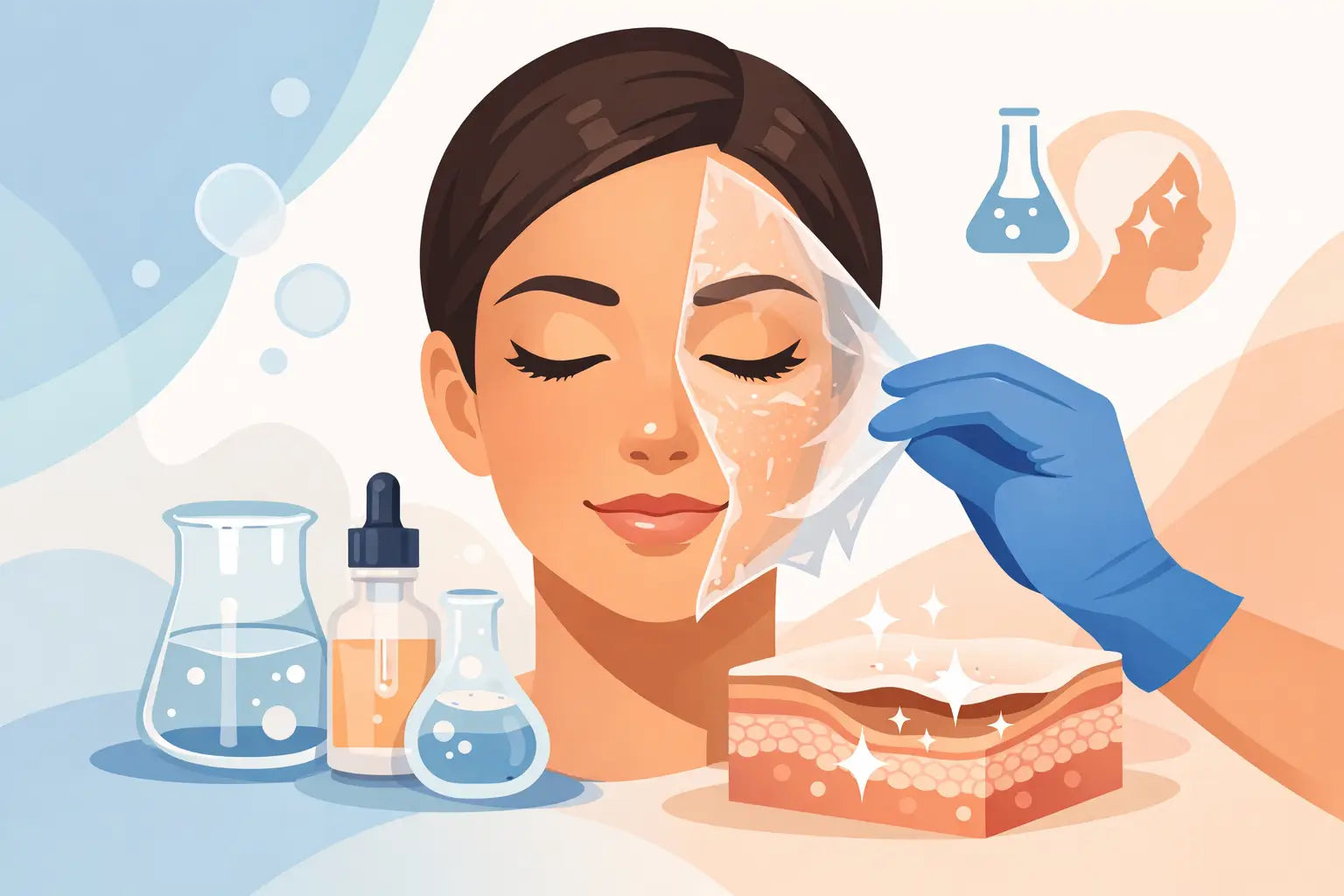
On treatment day, the skin is cleansed and prepped, the peel is applied in a controlled manner, and timing or layering is tailored to the product protocol and skin response. Some peels are self-neutralising, while others require active neutralisation. Endpoints matter, and so does restraint. Chasing a dramatic frost or intense sensation is not a sign of better practice.
Most clients describe tingling, heat or prickling during application. That can be completely expected, but practitioners should always be clear about what is normal and what is not.
Downtime, peeling and client expectations
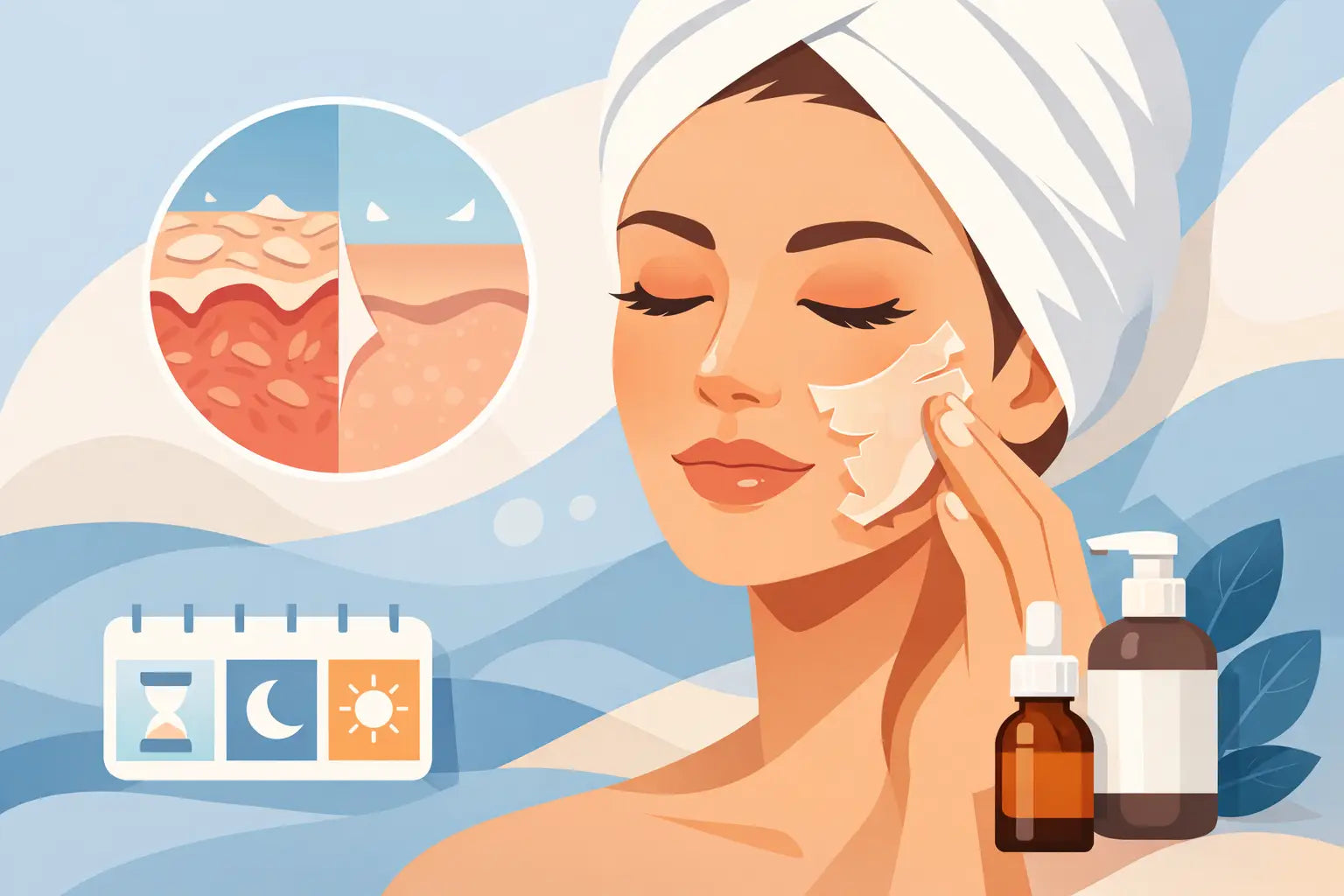
One of the biggest misconceptions is that every chemical peel must cause obvious visible shedding. It does not. Some clients peel significantly, some flake lightly, and some mainly notice brightness and smoothness with minimal visible desquamation.
This is worth explaining upfront because clients often judge the treatment by how much skin comes off afterwards. In reality, visible peeling is not the only marker of efficacy.
Downtime depends on peel depth and skin response. Superficial peels may involve mild redness, temporary dryness and light flaking for a few days. Medium peels can bring more noticeable peeling, tightness and social downtime. Either way, aftercare is not optional. Sun protection, barrier support and leaving the skin alone are basic but critical.
Risks and trade-offs practitioners should keep front of mind
Chemical peels are established treatments, but they are still controlled injuries. Risks include irritation, prolonged erythema, barrier disruption, infection, acne flare, allergic response, uneven results and pigment complications.
This is where professional judgement separates a strong clinic treatment from a poor one. More aggressive is not always more profitable if it increases complaints, downtime mismanagement or reactive skin. Often, a series of well-chosen lighter peels delivers better retention, better tolerance and more repeat business than one overly ambitious session.
In a busy clinic model, that matters. The best treatment is not just the one that can work on paper. It is the one your client base will book, tolerate, rebook and recommend.
How chemical peels fit into a modern clinic menu
Peels remain popular because they are flexible and commercially smart. They can act as an entry skin treatment for newer clients, a maintenance treatment between more intensive procedures, or a targeted course for correction-led cases.
They also work well in layered treatment planning. A client coming in for acne management may start with a peel series before progressing to needling at the right stage. A pigmentation client may need a peel supported by disciplined homecare and careful timing around sun exposure. A glow-focused client may simply want regular superficial resurfacing that keeps skin polished and camera-ready.
For clinics, this makes peels easy to position. They answer demand for visible skin improvement without requiring every client to commit to injectables or high-downtime procedures. Stocking reliable, practitioner-grade options through trade-focused suppliers such as Skin Candy can also help clinics keep that category efficient and profitable.
Final thought
If clients ask what is chemical peel skin treatment, the simplest honest answer is this: it is controlled resurfacing with a purpose. Done properly, it is not just about peeling skin off. It is about choosing the right level of correction, for the right client, at the right time - and turning a familiar treatment into consistently strong clinic results.