Best Chemical Peel for Skin Rejuvenation
When a client asks for brighter skin, tighter texture and that polished post-treatment glow, the question usually is not whether to use a peel. It is which one will deliver the right result without creating unnecessary downtime or irritation. The best chemical peel for skin rejuvenation is never a one-size-fits-all answer, and that is exactly where practitioner judgement earns its value.
For clinics, peels sit in a commercially strong sweet spot. They are protocol-friendly, easy to build into treatment plans and highly adaptable across concerns like dullness, uneven tone, congestion, fine lines and early photoageing. But the peel that works beautifully for one skin type can be the wrong call for another. Stronger is not always better, and faster visible peeling does not always mean better rejuvenation.
What makes the best chemical peel for skin rejuvenation?
Skin rejuvenation is a broad treatment goal, so the first step is tightening the definition. Some clients mean luminosity. Others mean smoother texture, clearer pores or softened superficial lines. A mature client with sun damage needs a different approach from a younger acne-prone client who wants refinement and glow.
The best chemical peel for skin rejuvenation is the one that matches four things well: skin concern, Fitzpatrick type, barrier strength and downtime tolerance. If you ignore any of those, results become less predictable. That matters clinically, but it matters commercially too. Good treatment planning protects outcomes, repeat bookings and client trust.
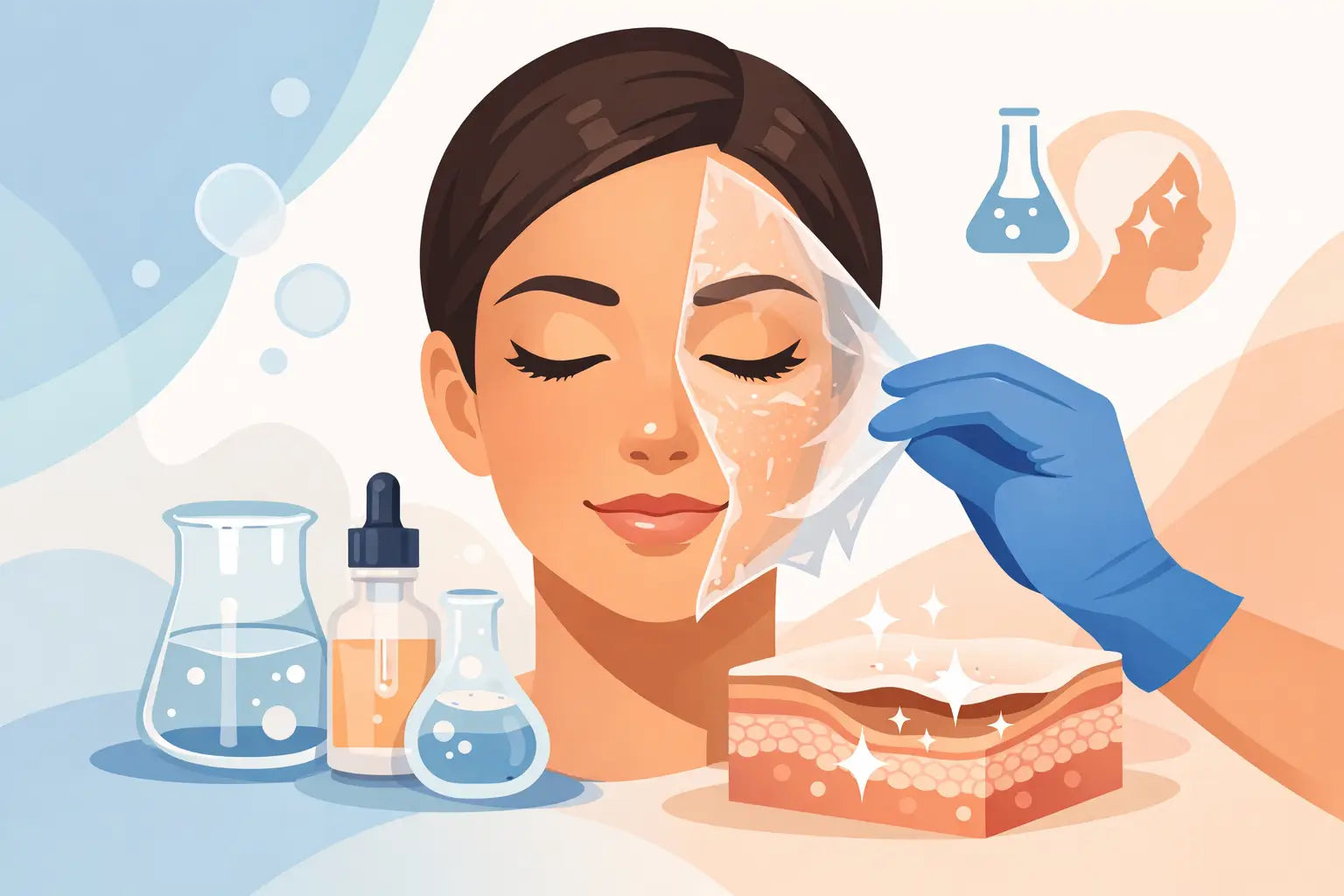
A well-chosen peel should stimulate visible renewal without tipping the skin into prolonged inflammation. In practice, that usually means selecting the right acid profile and concentration, then setting realistic expectations on course length. Many rejuvenation outcomes are built through consistency rather than one aggressive session.
Choosing by skin concern, not trend
The peel getting the most attention on social media is not automatically the best seller for your clinic. Rejuvenation peels perform best when selected by indication.
For dull, tired-looking skin, lighter alpha hydroxy acid peels often do the heavy lifting. Glycolic acid remains popular because its smaller molecular size allows efficient penetration, making it useful for surface brightness, texture and mild fine lines. Lactic acid is often the smarter option when you want a gentler glow treatment with added humectant benefits, especially for clients who are barrier-aware or newer to professional peeling.
For uneven tone and post-inflammatory pigmentation, mandelic acid deserves more credit than it sometimes gets. Its larger molecular structure makes penetration slower and often easier to tolerate, which can be especially useful in higher Fitzpatrick skin types where you want rejuvenation with a more cautious inflammation profile. It also works well in oily and blemish-prone skin, so it gives clinics flexibility.
For congestion, enlarged pores and rough texture, salicylic acid continues to earn shelf space. As a beta hydroxy acid, it is lipid soluble, so it can cut through oil and target pore buildup effectively. If the client’s idea of rejuvenation includes cleaner pores and a smoother surface rather than anti-ageing alone, salicylic acid may outperform more traditional glow peels.
For visible photoageing, fine lines and more advanced textural change, blended peels or stronger professional systems can produce more dramatic improvement. These are often where protocol discipline matters most. The right candidate can love the result. The wrong candidate can end up with too much downtime, poor compliance or post-treatment complications that damage confidence.
Superficial, medium or stronger peels?
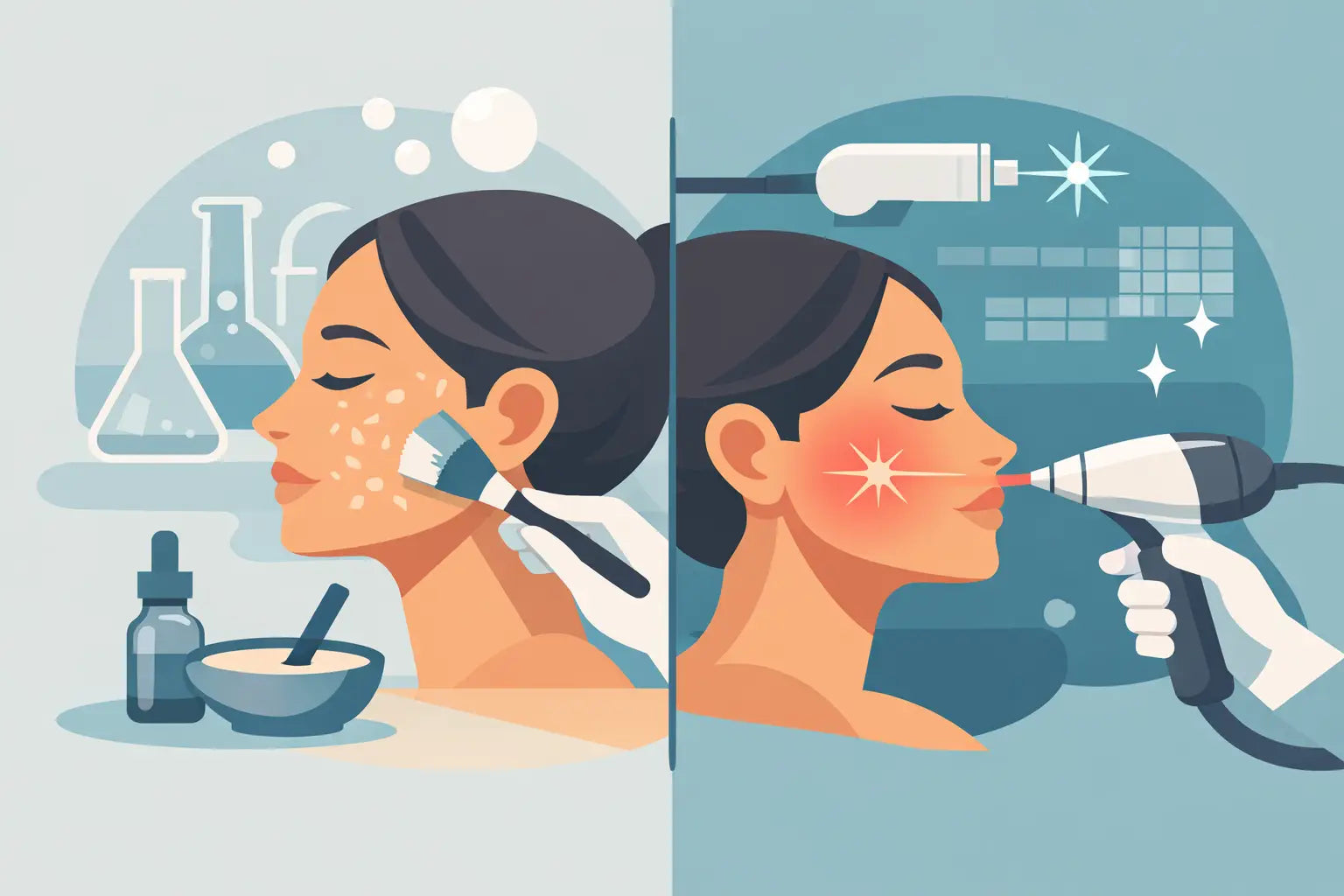
Most clinics will find that superficial peels do the most consistent commercial work. They are easier to repeat, easier to combine with broader skin programmes and generally easier for clients to accept. That does not make them weak. In the right course, superficial peels can deliver excellent rejuvenation, particularly when paired with solid homecare and sensible treatment spacing.
Medium-depth approaches have their place, but they require tighter client selection and aftercare compliance. They may be more suitable when the concern is established sun damage, visible lines or stubborn textural irregularity. The trade-off is obvious: higher intensity can mean stronger results, but it can also mean more downtime, higher sensitivity and a narrower client pool.
If your clinic model relies on busy professionals who want visible improvement with minimal interruption, lighter progressive peeling often wins. If you treat a more correction-focused client base and have the consultation time to prepare them properly, stronger options may make sense in selected cases.
Peel acids that deserve a place in clinic treatment planning
Glycolic acid is often the first name mentioned in rejuvenation, and for good reason. It can improve radiance, superficial pigmentation and mild textural irregularities quickly. The catch is tolerability. Some clients sail through glycolic acid courses. Others flush, sting and struggle with post-peel dryness. It is effective, but it is not automatically the safest first move.
Lactic acid is a strong choice when you want brightening with a softer landing. It suits clients who are dry, slightly sensitive or cautious about downtime. It may not produce the same fast feel as a stronger glycolic session, but it often performs better over time because clients tolerate it well and stay on plan.
Mandelic acid is one of the most versatile options in rejuvenation-focused practice. It supports tone correction, mild acne activity and surface refinement with a gentler profile than some faster-penetrating acids. For practitioners treating mixed concerns, it offers useful room to customise.
Salicylic acid is ideal where rejuvenation overlaps with oil control and blemish management. A smoother, less congested skin surface often reads as more youthful, even before you address lines directly. That makes salicylic-based protocols commercially smart for younger adult demographics.
TCA and stronger blended systems can create impressive resurfacing results, but they should be approached with respect. These are not casual add-ons for a glow-up menu. They work best in experienced hands, with proper preparation, contraindication screening and clear client education.
Why the best peel often comes down to the client journey
Clients rarely book saying they want a specific acid. They book because they want fresher-looking skin. That gives clinics an advantage. You can build the journey around the result rather than around a single hero product.
A client with compromised barrier function might start with skin conditioning and a gentle peel series. A client with resilient skin and visible sun damage might step into a stronger protocol sooner. Someone preparing for an event may need a low-downtime brightening option, while someone committed to correction over several months may accept more visible peeling.
This is where treatment profitability becomes more than product margin. A peel that fits the client journey properly is easier to retain, easier to review and easier to upgrade into a broader skin package. The most successful clinics do not simply ask which peel is strongest. They ask which plan keeps the client progressing.
Common mistakes when selecting a rejuvenation peel
One of the biggest mistakes is chasing visible shedding. Clients often associate peeling skin with treatment success, but clinical rejuvenation is not measured by how dramatic the flaking looks on day three. Controlled renewal matters more than theatre.
Another common error is underestimating barrier status. A client using strong retinoids, exfoliating acids and active homecare may already be walking into the clinic with low resilience. Even a familiar peel can hit differently on stressed skin.
It is also easy to overpromise on pigmentation and lines after a single session. Rejuvenation is cumulative. Clear communication protects your clinic reputation and helps position peel courses as part of a smarter, more professional treatment plan.
Building a peel menu that actually sells
A peel menu works harder when it is easy for practitioners to match to concern categories. Brightening, blemish-prone rejuvenation, pigment-focused renewal and age-management resurfacing are clearer for consultation than a long list of acid names alone.
That does not mean oversimplifying the science. It means making the commercial pathway clean. Clients buy outcomes. Practitioners choose the chemistry. That split keeps consultation sharper and treatment planning more confident.
For stock selection, reliability matters as much as branding. Clinics need peel systems that fit real-world demand, from entry-level glow appointments to more advanced resurfacing protocols. That is one reason professional suppliers like Skin Candy sit well with busy aesthetics businesses. Fast replenishment, practitioner-led categories and dependable availability support treatment flow just as much as the product itself.
So, what is the best chemical peel for skin rejuvenation?
If you want one honest answer, it depends on the skin in front of you. For broad clinic use, mandelic and lactic acid peels are often strong all-rounders because they balance visible improvement with tolerability. Glycolic acid remains a go-to for brighter, smoother skin when the barrier can handle it. Salicylic acid is excellent where rejuvenation overlaps with congestion and oiliness. Stronger blended or TCA-led systems are better reserved for suitable clients with clear correction goals and realistic downtime expectations.
The best clinics do not sell peels as one-off miracles. They position them as part of a clever skin strategy - targeted, repeatable and chosen with purpose. When that happens, rejuvenation looks better, clients stay happier and your treatment menu works harder.