How Long Does the Skin Peel After a Chemical Peel?
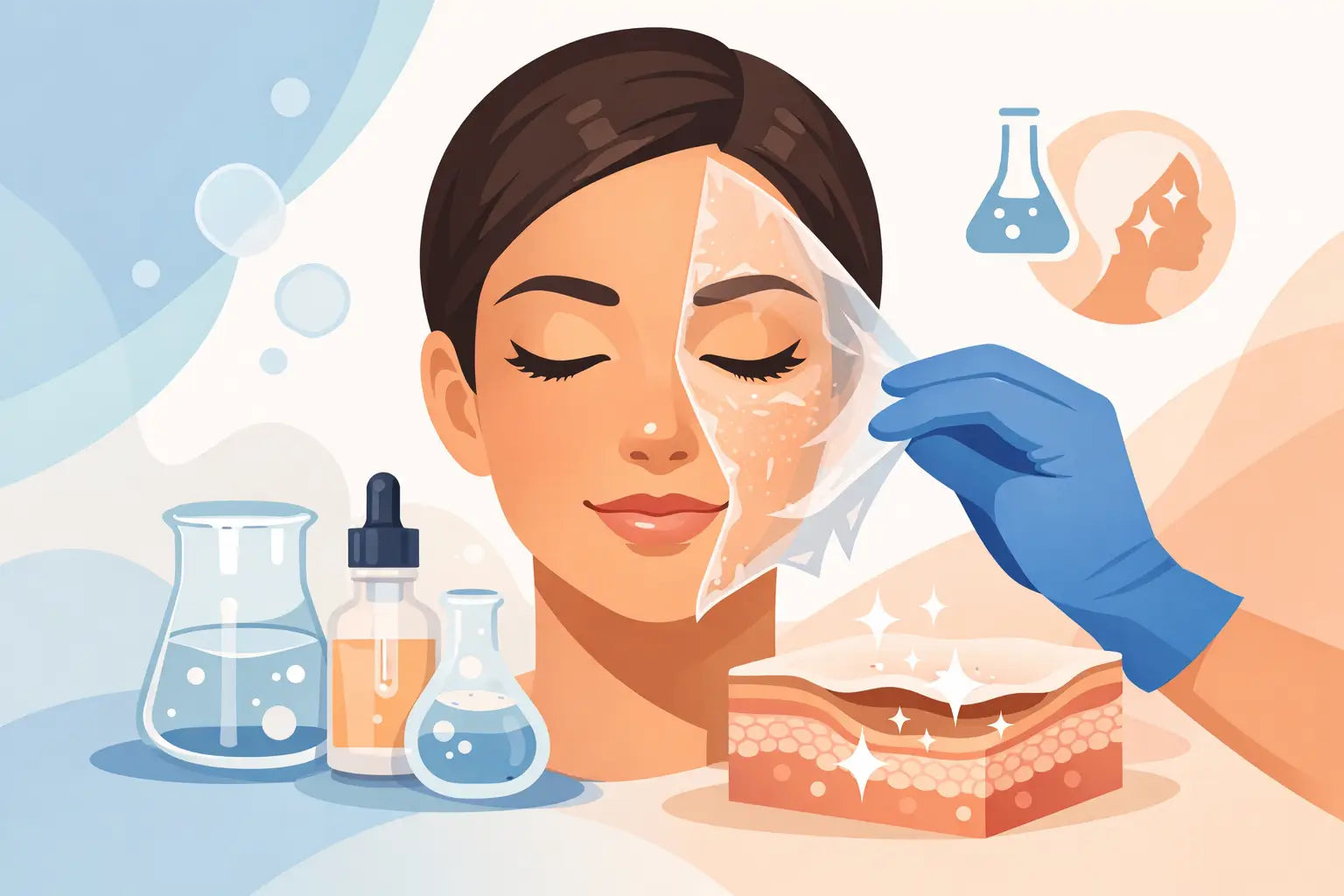
The question clients ask the minute flaking starts is usually the same: how long does the skin peel after a chemical peel? Fair question - because peeling is the part they notice, talk about, and sometimes panic about. For practitioners, setting expectations properly is what protects trust, reviews, and rebooking. The short answer is that visible peeling often lasts between 2 and 7 days, but the real answer depends on peel depth, acid blend, skin condition, prep, and aftercare.
How long does the skin peel after a chemical peel in practice?
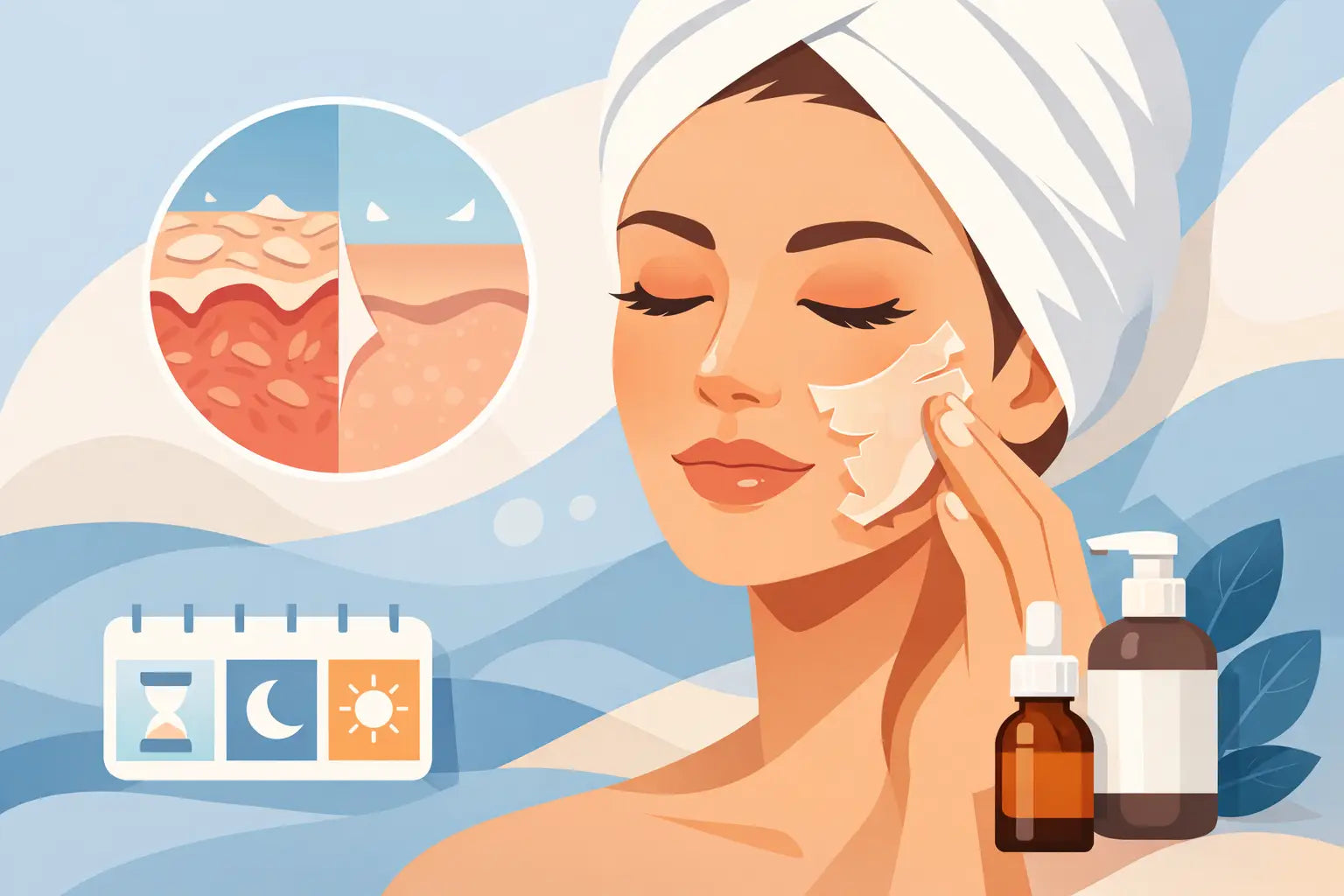
In clinic reality, not every peel produces the same level of shedding. Very superficial peels may cause little more than dryness, tightness, or fine flaking for 1 to 3 days. Superficial to light-medium peels often peak around days 2 to 4, with peeling settling by day 5 to 7. Medium-depth treatments can continue beyond a week, and the skin may move from redness to bronzing to more obvious sheets of desquamation before it calms.
That range matters when you are planning treatment schedules. A client booked in before an event may hear “light peel” and still be surprised by visible peeling if they are naturally dry, sensitised, or inconsistent with home care. Equally, some clients expect dramatic shedding and worry the treatment has not worked when they only get mild flaking. Peeling is not the only marker of efficacy.
What actually affects peeling time?
Peel strength and formulation
The biggest driver is the peel itself. Mandelic and lactic formulas often produce a milder, more controlled post-treatment phase, while glycolic, salicylic, TCA-based, or blended systems can create a more noticeable response depending on concentration, pH, layering, and contact time. A superficial peel with conservative application will not behave like a medium-depth protocol, even if both are described casually as a “chemical peel”.
This is where practitioner communication earns its keep. Clients do not experience peeling according to textbook categories - they experience what they can see in the mirror. Being precise about likely downtime is better than being optimistic.
Skin condition before treatment
Barrier status changes everything. Skin that is dehydrated, over-exfoliated, retinoid-sensitised, or recovering from aggressive actives can peel faster, longer, or in a more uneven way. Healthier, well-prepped skin often moves through the process more predictably.
That is one reason pre-peel consultation should not be rushed. A client using multiple acids at home, plus retinol, plus sporadic scrubs, can look “resilient” on first glance and still peel harder than expected.
Treatment depth and layering
A single light pass is one thing. Multiple layers, stronger endpoint chasing, or combining peel protocols with other advanced treatments can extend visible recovery. Even when the goal is controlled rejuvenation rather than aggressive resurfacing, treatment intensity still needs to match the client’s tolerance, calendar, and compliance.
Commercially, this matters too. Downtime that was not explained clearly becomes a service issue, not just a skin response issue.
Aftercare compliance
Peeling duration is heavily shaped by what the client does once they leave. Picking, rubbing, friction from towels, heat exposure, active skincare too soon, and missed SPF all make the post-peel phase messier. Good aftercare does not always shorten peeling dramatically, but it usually makes it cleaner, calmer, and less risky.
What is normal day by day?
There is no universal timeline, but a fairly standard superficial peel pattern looks like this.
Day 1
Skin may feel tight, look slightly pink, and seem smoother than expected. Many clients assume they have escaped peeling at this stage. They usually have not.
Days 2 to 3
This is when dryness and visible flaking often start, especially around the mouth, nose, and chin. Some clients describe the skin as papery or rough rather than obviously peeling.
Days 3 to 5
Peeling is often at its most visible here. In lighter treatments it may still be mild and makeup-friendly, but in more active protocols clients can notice patching and uneven shedding.
Days 5 to 7
Most superficial peel shedding settles in this window. Residual dryness can linger a bit longer, but active peeling is usually winding down.
For medium-depth peels, that whole process can shift later and last longer. Redness may also outstay the peeling itself.
When peeling lasts longer than expected
If a client is still visibly peeling after 7 days, that does not automatically mean something has gone wrong. It may simply reflect a stronger treatment, slower barrier recovery, environmental dryness, or poor aftercare. The question is not just how long it lasts, but what else is happening alongside it.
Prolonged peeling with mild tightness and no major inflammation can still sit within a normal range. Prolonged peeling with increasing redness, swelling, burning, tenderness, crusting, or signs of infection is a different conversation and needs prompt assessment.
This is where your post-treatment support stands out. Calm, clear triage protects both the client outcome and the clinic relationship.
How long does the skin peel after a chemical peel if there is no visible peeling?
Sometimes clients barely peel at all. That can happen with very superficial formulations, well-hydrated skin, conservative treatment settings, or peel types designed for minimal downtime. It can also happen because the exfoliation is microscopic rather than dramatic.
No visible shedding does not mean no result. Texture, luminosity, oil regulation, pigment support, and acne management can all improve without obvious peeling. If you are positioning every peel as a dramatic skin-shedding event, you risk creating the wrong success metric.
For clinics, that is a branding issue as much as an educational one. Better to sell the result than the flake.
How practitioners can manage expectations properly
The strongest peel consultations are specific. Instead of saying “you may peel a little”, it is better to explain where peeling tends to appear first, when it usually peaks, what is normal, and what is not. That kind of framing reduces avoidable messages later.
Photograph guidance helps too. Clients often struggle to judge whether their peeling is normal, but they can compare their day-by-day progress more easily when they have been shown realistic examples. Make it clear that outcomes vary by skin type, peel choice, and home care. No overpromising, no vague reassurance.
A simple aftercare script also pays off. Keep it consistent across your team so clients are not getting one version from the practitioner and another from reception. In fast-moving clinics, consistency is part of good treatment delivery.
Common mistakes that make peeling worse
The biggest one is picking. Clients want to “help” the skin along, especially when peeling gathers around the mouth or sits visibly under makeup. That creates irritation, uneven healing, and greater post-inflammatory risk.
The second is restarting actives too quickly. Acids, retinoids, and abrasive exfoliants layered onto freshly peeled skin can turn a standard recovery into extended irritation.
The third is underestimating SPF. Freshly exfoliated skin is more vulnerable, and poor photoprotection can compromise results just as the skin is trying to recover.
Finally, there is the mistake of treating all peeling as desirable. More peeling does not always mean a better outcome. Stronger is not always smarter, particularly for clients with barrier dysfunction, reactive skin, or packed social calendars.
The clinic angle: downtime shapes demand
Peel results sell, but downtime influences whether clients book again. A treatment that fits around work, events, and social life is often easier to maintain as part of a course. That is why product selection matters. Having a professional range that covers low-downtime brightening options through to more intensive resurfacing gives clinics room to match the peel to the client, not force the client to fit the peel.
For stock-led practices, that flexibility is commercially useful. It supports better treatment planning, fewer complaints about recovery, and a stronger chance of repeat business. Brands like Skin Candy operate in that lane for a reason - practitioners need access to options that make sense both clinically and commercially.
When should a practitioner be concerned?
Be more cautious when peeling is accompanied by escalating pain, marked oedema, blistering, significant crusting, weeping, or delayed healing. Likewise, if pigment-prone clients develop unusual inflammation, early review matters. The issue is not just comfort - it is protecting outcome quality.
Patchy peeling alone is rarely the problem. Peeling with worsening symptoms is.
The most useful message to leave clients with is simple: expect peeling to start within a couple of days, peak around the middle of the first week for many superficial peels, and settle within 7 days in most straightforward cases. But every peel has its own pace, and the best results usually come from matching strength, skin, and downtime properly rather than chasing the most dramatic shed.