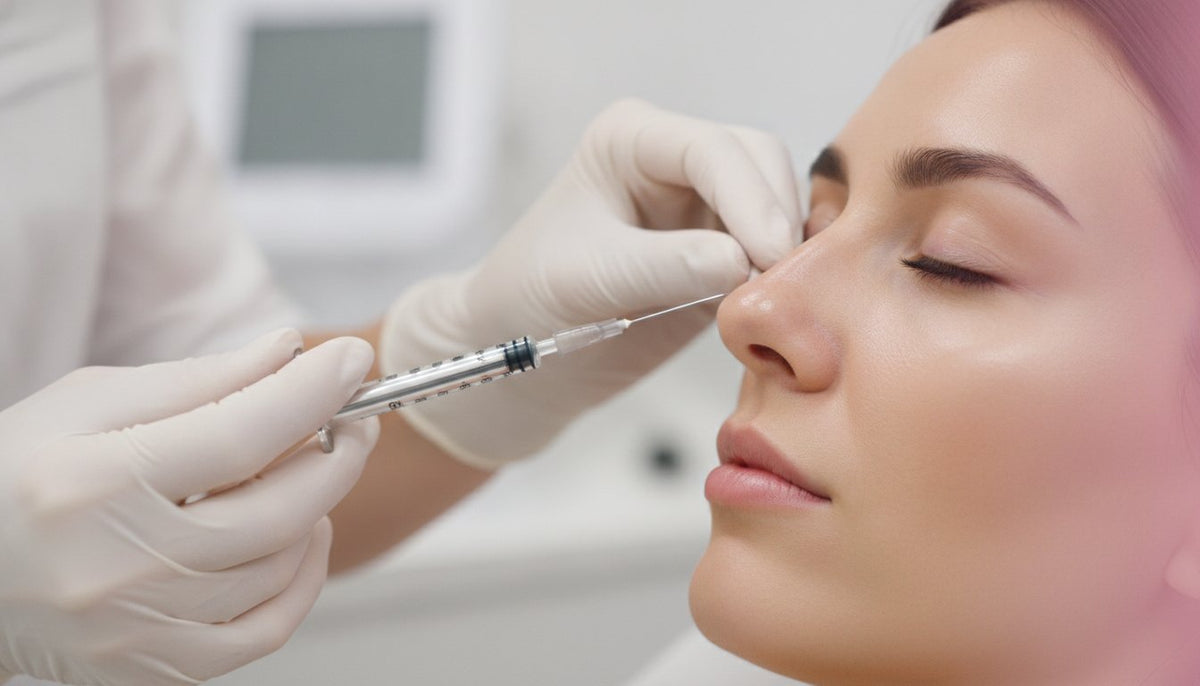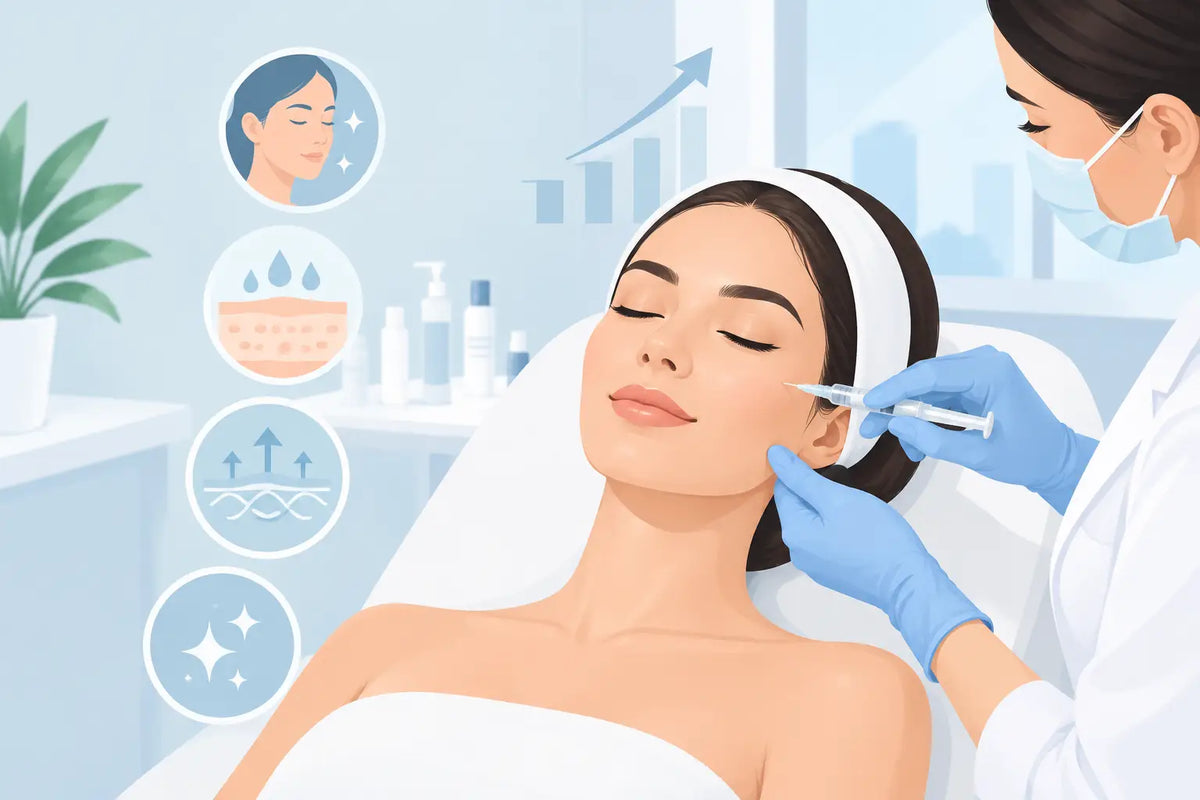
Why Skin Booster Demand Keeps Growing in Clinics
A client who once booked a single injectable appointment before a wedding may now ask how to maintain luminosity, hydration and skin quality across the year. That shift is a major reason skin booster demand continues to rise. For clinics, it is creating a valuable treatment category that sits between one-off glow appointments and longer-term aesthetic treatment plans.
Skin boosters appeal because the conversation is less about changing a face and more about supporting skin that looks fresher, smoother and better hydrated. For practitioners, the opportunity is not simply to add another SKU to the shelf. It is to build a treatment pathway clients understand, trust and return for.
What is driving skin booster demand?
The strongest driver is the move towards skin quality-led aesthetics. Many clients still want contour, volume or line-softening treatments, but they are increasingly aware that these alone may not address dullness, dehydration, crepey texture or a tired-looking complexion. A well-selected skin booster can sit alongside those treatments while answering a different concern.
Social content has played a role too. Clients are more familiar with the language of glow, hydration and skin rejuvenation than they were a few years ago. They may arrive requesting a specific result rather than a specific product, which creates space for an informed consultation and appropriate treatment recommendation.
The category also suits modern maintenance habits. Rather than waiting for a major event or visible concern, clients often choose a course followed by maintenance sessions as part of their wider skincare and aesthetics routine. This can support repeat bookings, but only when expectations, treatment intervals and likely outcomes are communicated clearly from the outset.
There is another commercial factor: skin boosters can broaden a clinic's offer without forcing every client into a volumising treatment. That matters for practitioners whose audience values subtle, healthy-looking results and wants options tailored to different skin concerns, ages and budgets.
Skin booster demand is not one-size-fits-all
It is tempting to treat demand as a signal to stock every trending product. In practice, a tighter range selected around your clinic's treatment style is usually more commercially sensible. Different formulations, protocols and intended uses require different levels of product knowledge, patient selection and aftercare planning.
Some clients will be seeking improved hydration and radiance. Others may be concerned by fine lines, loss of elasticity or the appearance of the under-eye area. A client who has never had injectables may need a slower, education-led consultation, while an experienced client may be comparing treatment schedules and asking where a skin booster fits with polynucleotides, microneedling or chemical peels.
The key is not to promise a universal glow-up. It is to explain the treatment objective in plain language, discuss what the product can and cannot reasonably support, and create a plan around the individual. Visible results can vary with skin condition, lifestyle, treatment area, protocol and adherence to aftercare.
The appeal of natural-looking treatment plans
Skin boosters work well within the increasingly popular “tweakment” mindset, but that phrase should not mean casual treatment. Clients often like the idea of results that are noticeable to them without looking obviously treated to everyone else. They want skin that appears rested, hydrated and well cared for.
This makes consultation photography, consistent assessment and realistic language especially useful. Avoid positioning skin boosters as a replacement for every other treatment. A client with significant volume loss, active skin disease, unrealistic expectations or contraindications may need a different route entirely, or no treatment on that day.
Turning interest into a profitable clinic category
Demand alone does not make a treatment line profitable. Product cost, appointment length, practitioner time, consumables, follow-up, marketing and wastage all need to be reflected in your pricing. A low headline price may fill a diary briefly, but it can undermine margin and make it harder to maintain the standard of care your clinic is known for.
Start with a clear offering. Decide whether you will sell single sessions, courses, maintenance appointments or a combination. A course-based approach can be appropriate where it matches the selected product's professional protocol and the client's goals. It also gives clients a clearer picture of timing and investment before they commit.
Your menu should make the difference between treatments easy to understand. If you offer skin boosters alongside polynucleotides, peels, microneedling and injectable treatments, clients do not need a technical lecture. They do need a confident explanation of what each category is designed to address, how downtime may differ, and why you have recommended one route over another.
A simple treatment journey often works best: consultation and suitability assessment, an agreed course where indicated, review, then maintenance based on the client's response and goals. It feels considered rather than sales-led, which protects trust and supports retention.
Stock planning without overbuying
A fast-moving category can create pressure to buy heavily when a product goes viral. Clinics are better served by planned replenishment. Review your appointment data, average units used per treatment, course conversion rate and expiry dates before increasing stock levels.
Keep enough inventory to cover booked treatments and realistic short-term demand, with a buffer for popular clinic days. Then choose a supplier that can replenish reliably. For UK practitioners, quick fulfilment is not just convenient. It can prevent a full diary becoming a last-minute stock problem.
Build your ordering around the full treatment setup, not only the injectable product. Needles or cannulas where appropriate, antiseptic preparation, gloves, sharps disposal, post-treatment information and emergency preparedness are part of responsible delivery. Missing consumables can cost more than the item itself when they disrupt an appointment.
Skin Candy is positioned for this practical reality, combining professional-use treatment categories with clinic-focused stock replenishment, so practitioners can source without turning routine ordering into a separate admin job.
Protecting demand with safe, credible practice
The most sustainable skin booster demand is built on outcomes, client confidence and professional standards, not exaggerated claims. Before introducing any product, ensure you understand its instructions for use, composition, storage requirements, indications, contraindications and recommended protocol. Source only through legitimate professional channels and maintain batch traceability in line with your clinic procedures.
Consultation remains the point at which demand becomes appropriate treatment. Take a full medical history, assess the skin, discuss allergies and previous treatments, identify contraindications, obtain informed consent and give the client time to ask questions. Record the product used, batch details, treatment area and technique according to your professional and insurance requirements.
Aftercare should be specific rather than generic. Clients need to know what is commonly expected, what activities to avoid for the stated period, and when to contact the clinic. They should also know how to access urgent advice if they are concerned. A polished aftercare process can turn a first-time client into a regular because it shows the relationship does not end at checkout.
It also pays to be careful with before-and-after content. Use consented, consistent images and avoid filters, misleading lighting or claims that cannot be substantiated. The most persuasive clinic marketing is often a well-documented treatment journey paired with language that is accurate, calm and recognisably professional.
Where the category can go next
Skin booster demand is likely to remain strong because it answers a lasting client priority: better-looking skin without a dramatic change in facial identity. However, demand will move between product types, social-media trends and seasonal concerns. Clinics that chase every spike may end up with an overcomplicated menu and slow-moving stock.
A stronger approach is to keep your core range dependable, train thoroughly on each product you introduce, and review which treatments genuinely deliver client satisfaction and repeat bookings. Watch what clients ask for, but let clinical judgement and commercial discipline shape the offer.
When your stock, consultation process and treatment messaging are all aligned, skin boosters become more than a trend-led add-on. They become a credible, repeatable part of a clinic's skin health and aesthetics offering - one that gives clients a reason to come back when they want their glow to keep up with their life.