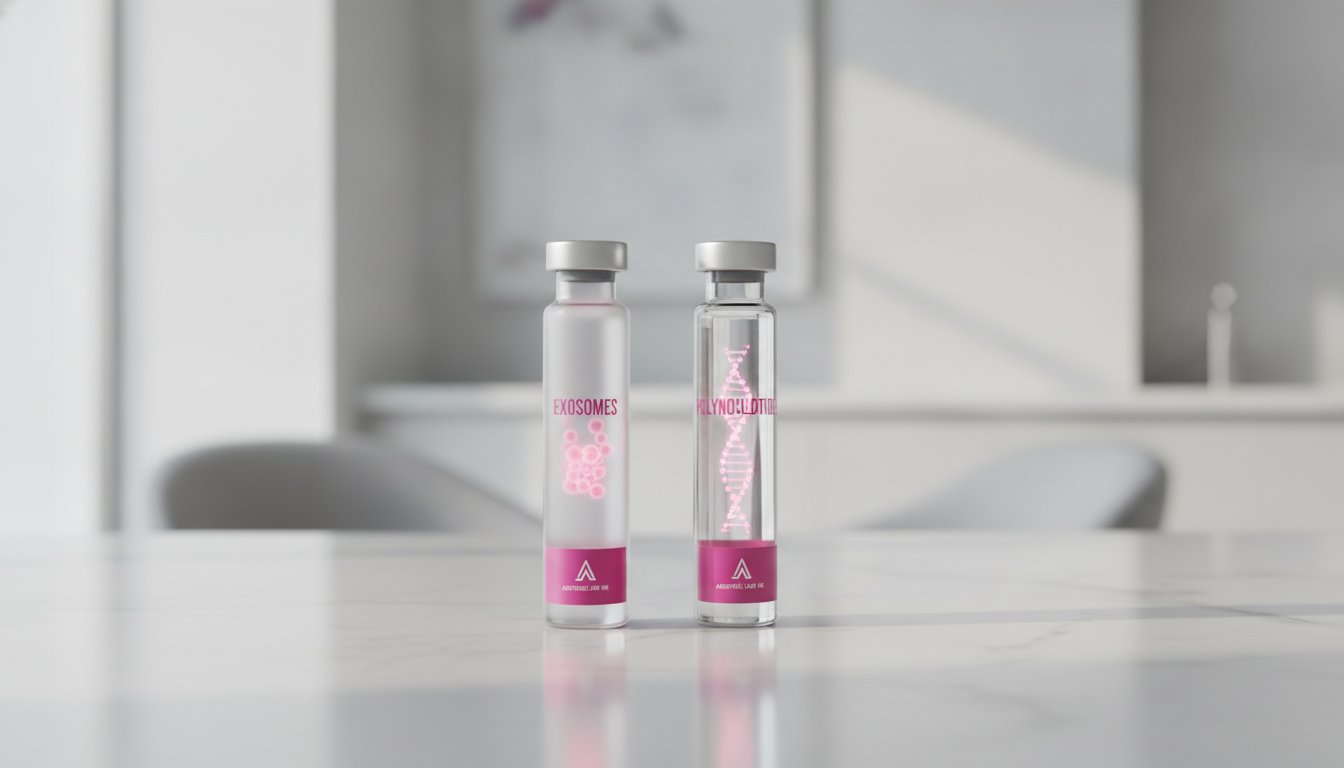
A Guide to Polynucleotide Treatments for Clinics
A glowing result starts long before the first treatment point. For clinics, a strong guide to polynucleotide treatments is about more than knowing what the product does. It is about selecting suitable clients, setting a sensible course plan, maintaining immaculate records and holding the right stock when demand builds.
Polynucleotides have earned real attention in advanced aesthetics because clients increasingly want skin-quality treatments that look considered rather than overdone. They may arrive asking for a fresher under-eye area, improved skin texture or a more rested look. The practitioner’s role is to turn that request into a treatment plan grounded in anatomy, product instructions for use, clinical judgement and realistic expectations.
What polynucleotides are - and what they are not
Polynucleotides are purified DNA fragments, commonly derived from fish sources, used in injectable skin treatments. In aesthetic practice, they are positioned as regenerative skin-quality treatments. They are not dermal fillers, so they should not be sold or planned as a way to create immediate structural volume, sharpen a jawline or replace lost facial fat.
Their appeal lies in a gradual approach. Depending on the product, treatment area and client, practitioners may use polynucleotides to support hydration, skin texture, elasticity and overall skin condition. The visible outcome is typically a healthier-looking, more luminous complexion over a course of treatments, rather than a dramatic same-day transformation.
That distinction matters at consultation. A client seeking correction of a pronounced tear trough hollow may be better served by a wider plan that addresses volume loss, skin quality and suitability for any chosen intervention. A client with delicate, crepey under-eye skin, on the other hand, may be a more natural fit for a polynucleotide-led conversation. The treatment is not a shortcut. It is a considered part of a modern regenerative aesthetics menu.
Evidence and product claims vary across brands. Keep all discussions within the product’s intended use, available evidence and authorised training. Avoid broad promises such as guaranteed collagen production or permanent rejuvenation. Good results marketing is specific, honest and supported by appropriate before-and-after photography.
Guide to polynucleotide treatments: consultation first
The most commercially valuable consultation is also the safest one. It protects client trust, reduces mismatched expectations and makes rebooking feel like the logical next step rather than a sales push.
Start with the concern behind the request. A client asking for under-eye polynucleotides may be worried about dark circles, puffiness, hollowness, pigmentation, fine lines or all of the above. These concerns have different causes, and no single injectable addresses every one. Assess the area in motion and at rest, consider skin thickness, oedema, volume change, lifestyle factors and any previous treatment.
A thorough history should cover relevant medical conditions, medications, allergies, pregnancy or breastfeeding status, active skin infection or inflammation, autoimmune history where relevant, previous aesthetic treatments and any history of adverse events. Fish-derived ingredients also make allergy screening particularly relevant for many polynucleotide products. Always follow the manufacturer’s contraindications and precautions, as these are product-specific.
Consent should be clear on the gradual nature of results, the potential need for a course and maintenance, downtime expectations and known risks. Explain common short-term responses such as redness, tenderness, small bumps, bruising and swelling, alongside the signs that require prompt clinical review. Do not treat consent as a form to rush through at reception. It is a clinical conversation that sets the standard for the entire client journey.
Photography is equally valuable. Use consistent lighting, positioning and camera distance, then agree what will be assessed at review. Is success a smoother make-up application, less creasing around the eyes, a more even skin finish or improved comfort in dry-looking skin? When the goal is measurable, clients are more likely to recognise progress.
Choosing the right product and building a course
Not every polynucleotide product is designed for the same area or treatment approach. Some are formulated with delicate zones in mind, while others may be positioned for facial, neck, décolletage or body skin quality. Product concentration, presentation, recommended technique and course guidance can differ substantially.
Choose stock based on the treatments your clinic can deliver confidently and consistently, not simply on what is trending online. A compact, well-understood range usually performs better than a crowded shelf of unfamiliar products. It makes consultation easier, supports team confidence and helps you plan reorder points accurately.
The manufacturer’s instructions for use should lead every protocol. There is no universal injection depth, spacing, volume or course schedule that can be safely copied across all polynucleotide brands and anatomical areas. Work only within your scope of practice, product training and clinical governance. For prescribing, administration and delegation, follow the applicable UK legal and professional requirements.
A course-based plan is often the right commercial and clinical framework, but it should remain individualised. Consider skin quality, tissue condition, treatment area, the client’s diary, tolerance for bruising or swelling, budget and their willingness to attend review appointments. Package discussions should centre on the proposed plan and anticipated outcome, never pressure to buy more treatment than is appropriate.
Polynucleotides can also sit alongside other skin-quality services, but timing matters. Microneedling, chemical peels, energy-based treatments, skin boosters and injectable treatments may all affect how you sequence a plan. Avoid stacking procedures because a client wants everything before an event. Give tissues sensible recovery time, follow each product’s guidance and document the clinical rationale.
Treatment day: the details clients remember
A premium treatment experience is built on clinical discipline. Confirm consent and medical updates, check the skin, verify the product, expiry date and batch number, and record the planned area and technique in line with your protocol. Use appropriate aseptic practice and have clear escalation procedures in place.
Clients often judge a clinic by the small things: whether the practitioner explains what they are doing, whether the room feels organised, whether discomfort is managed thoughtfully and whether post-treatment advice is delivered with confidence. Those details support retention just as much as the result.
Be particularly careful around the periorbital area. It is highly requested, highly visible and anatomically unforgiving. Advanced knowledge of facial anatomy, careful product selection and a willingness to say no when a concern is outside the treatment’s likely benefit are markers of a serious practitioner.
Aftercare and review keep results on track
Aftercare should be concise, written and tailored to the procedure performed. Clients generally need to know what is expected, how to minimise irritation and when to contact the clinic. Advise according to your protocol and the product instructions, with practical guidance around touching the area, make-up, heat exposure, exercise, alcohol and other treatments where appropriate.
A planned review gives you the chance to assess response, compare photographs and decide whether the next session remains suitable. It is also where you can spot clients whose expectations need recalibrating. Do not confuse a client’s desire for a faster change with a reason to overtreat.
Keep records complete: consultation, consent, product details, batch traceability, treatment map where applicable, photographs, aftercare and follow-up communication. Strong documentation protects the client, strengthens your clinical processes and makes it far easier to manage any product query or adverse event.
Stock planning for a treatment category with momentum
Polynucleotides can become a reliable clinic category when supply is managed as carefully as the treatment itself. Track which areas are requested most often, which products convert from consultation to booking and how many units a typical course requires. This reveals whether your best seller is genuinely profitable or simply frequently discussed.
Avoid buying deeply into a product before your team has completed relevant training and built a clear consultation pathway. Start with a range that supports your current competence and client profile, then scale based on genuine treatment demand. Check expiry dates at delivery, rotate stock correctly, store products in line with manufacturer requirements and set a reorder trigger before your final few units are committed to appointments.
For busy UK clinics, supplier reliability can be the difference between a smooth diary and a last-minute scramble. Skin Candy supports practitioner-led businesses that need professional-use treatment stock available for planned courses and repeat bookings. Whichever supplier you use, verify product provenance, packaging integrity and traceability before it enters your treatment room.
The mistakes that weaken polynucleotide outcomes
The biggest error is treating polynucleotides as a catch-all answer to ageing. They are a skin-quality category, not a replacement for every concern involving volume loss, pigmentation, laxity or facial imbalance. The second is promising a dramatic glow after one session, which can undermine trust before the regenerative process has had time to show.
Another common problem is copying social media protocols without considering product-specific guidance or the client in front of you. Trend-led demand can open a conversation, but it should never dictate clinical decision-making. Finally, weak aftercare and absent follow-up leave clients to interpret normal short-term changes alone, which can create unnecessary anxiety and reduce repeat bookings.
The clinics that make polynucleotides work are not necessarily the ones offering the longest menu. They are the ones that pair thoughtful client selection with consistent technique, clear course planning and reliable stock. That is how a sought-after treatment becomes a trusted part of your client’s long-term skin plan.