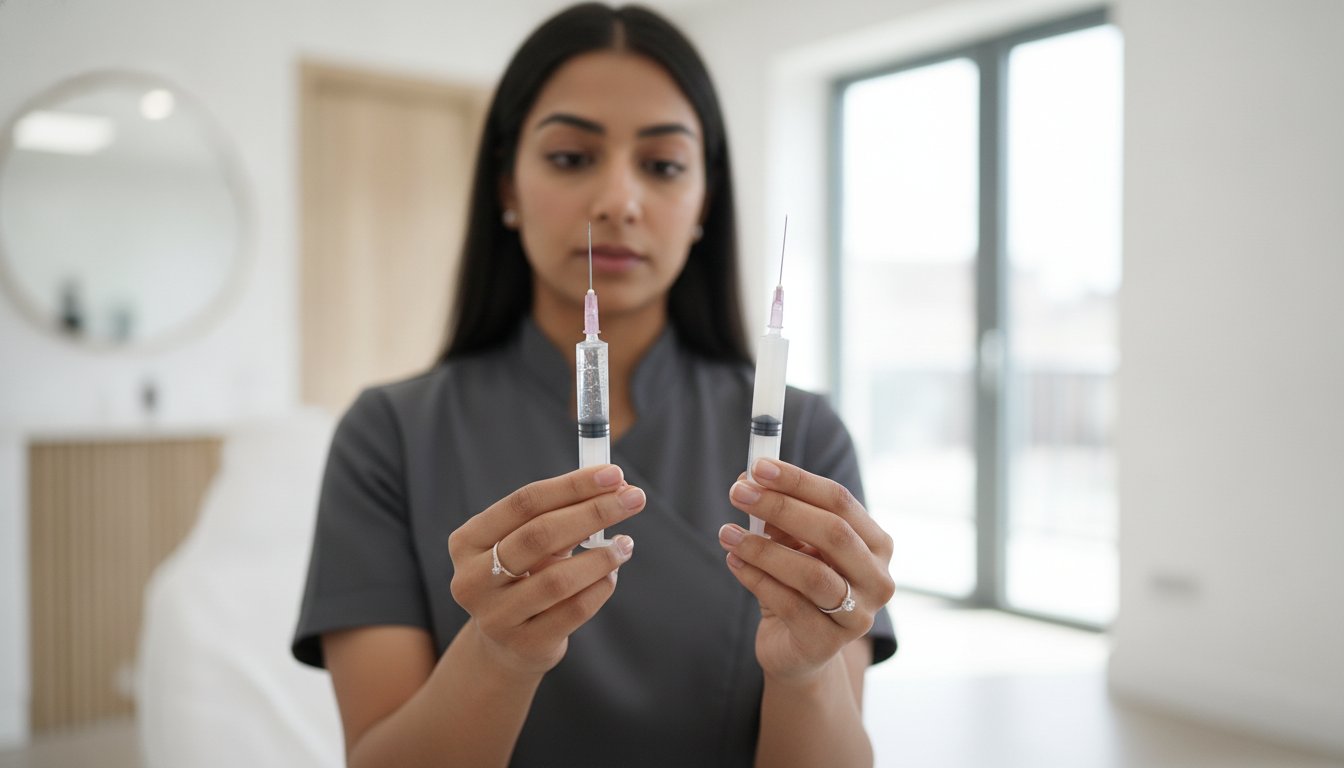
Ethical Injectable Sourcing for Better Clinics
A fully booked clinic can turn a stock gap into a business problem fast. But the quickest available vial is not always the right buy. Ethical injectable sourcing is what keeps commercial pressure from becoming a compromise on client welfare, product integrity or the reputation you have worked hard to build.
For professional aesthetics businesses, sourcing is part of treatment planning. The product, the way it has been stored, the route it took to your clinic and the records behind it all matter. A competitive price is valuable. So is next-day delivery. Neither should come at the expense of clear provenance and responsible practice.
What ethical injectable sourcing means in practice
Ethical sourcing is often reduced to one question: is the product genuine? Authenticity is essential, but it is only the starting point. Responsible sourcing means buying products that are appropriate for professional use through a supplier that can demonstrate where stock has come from, how it has been handled and what support exists if something needs investigating.
It also means making purchasing decisions that fit your competence, insurance, protocols and client base. A product may be popular on social media or offered at an eye-catching trade price, yet still be unsuitable for the indications you provide, the techniques you use or the standards your clinic follows. Good sourcing protects your treatment menu from being driven solely by hype.
There is a commercial upside too. Clinics with consistent, carefully selected stock can price with greater confidence, train teams around defined protocols and deliver a more dependable client experience. That is what turns a one-off appointment into repeat business and word-of-mouth recommendations.
Why ethical injectable sourcing protects your reputation
Clients may never ask to see a batch number, but they expect you to have one. They trust practitioners to make informed, safety-led decisions before a needle ever reaches the skin. If a concern arises after treatment, being able to identify the product, lot number, expiry date, supplier and purchase date is not paperwork for paperwork’s sake. It is a core part of professional accountability.
Traceability also gives a clinic options. If a manufacturer notice, quality query or product recall affects a particular batch, you need to know exactly which stock is on your shelf and which clients may be relevant. Without that visibility, a small supply issue can become a difficult and expensive operational problem.
The ethical point is simple: the person receiving treatment carries the outcome. Clinics should not place that burden on a client because a supplier could not provide adequate information, or because a deal looked too good to miss.
Price matters, but it cannot be the only test
Wholesale margins matter. Consumables, staff costs, premises, training and client acquisition all add pressure to the numbers. Smart buying is not irresponsible buying. The difference is whether the saving is explainable.
Ask why a product is discounted. It may be a legitimate promotion, a volume purchase or a supplier reducing lines that are nearing their stated expiry window. Those can all be workable purchases when the details are transparent and fit your stock turnover. The concern comes when the price is dramatically below the market with no credible explanation, limited documentation or pressure to buy immediately.
A better comparison looks beyond the unit price. Consider usable shelf life, delivery reliability, minimum order quantities, storage requirements, documentation, customer support and the cost of replacing stock if something goes wrong. The cheapest box can be expensive if it creates uncertainty in your treatment room.
What to check before adding stock to basket
Build a purchasing checklist that your whole team can follow, especially if more than one person orders stock. It should be practical enough to use on a busy clinic day and thorough enough to stand up to scrutiny later.
First, assess the supplier. A professional supplier should be clear about who they are, how to contact them and whether they supply trained professionals only. They should be able to provide product information and order records, and they should not blur the line between professional treatment stock and casual consumer retail.
Next, check the product itself. Review the stated intended use, ingredients or composition where relevant, pack size, expiry date and storage instructions. Check packaging on arrival for signs of tampering, damage, poor labelling or temperature-related issues. If anything does not look right, quarantine it rather than trying to make it work around a packed diary.
Then record the details. Log batch or lot number, expiry date, date received, supplier, quantity and storage location. Link the relevant batch to each treatment in the client record according to your clinic policy. Digital systems can make this easier, but a well-managed manual process is better than no process at all.
Finally, make sure your team knows who can approve a new line. Adding polynucleotides, skin boosters, fat dissolving solutions or other advanced categories should involve more than an appealing before-and-after image. Review product information, training needs, consultation requirements, emergency arrangements and whether the product genuinely strengthens your existing offer.
Storage and fulfilment are ethical issues too
A genuine product can still become unsuitable if it is mishandled. Storage guidance is not a suggestion, particularly for products with stated temperature, light or handling requirements. Your responsibility begins when the order arrives, but it is reasonable to expect suppliers to take dispatch and packaging seriously as well.
Plan deliveries around your clinic hours so parcels are not left in unsuitable conditions. Check the package promptly, move stock to the appropriate storage area and rotate inventory using expiry dates. Keep your storage space clean, access-controlled and organised enough that staff can find the right product without opening several boxes or risking mix-ups.
Fast fulfilment is valuable when it prevents cancelled appointments and reduces the temptation to over-order. Yet speed should sit alongside care. A supplier relationship is strongest when reliable delivery, transparent product information and responsive support work together.
Responsible sourcing differs by product category
Not every product in an aesthetics stockroom carries the same considerations. Dermal fillers, skin boosters and polynucleotides may need different product checks, consultation approaches and record-keeping procedures. Chemical peels, microneedling products and clinic consumables also need a clear route from supplier to treatment room, even where the risk profile differs.
Emerging regenerative categories deserve particular care. Interest in exosomes and similar innovations can move quickly, while the evidence base, product presentations and professional expectations may vary. Do not let a trending treatment category bypass your usual due diligence. Confirm what the product is, how it is intended to be used, the evidence and training available, and whether it fits applicable requirements and your insurer’s position.
The same principle applies to products marketed with dramatic outcome language. Ethical procurement is not only about the item you buy. It is about refusing to let supplier claims become promises you make to clients. Use accurate consultation language, discuss realistic outcomes and make sure your marketing reflects the treatment you can responsibly deliver.
Set standards with suppliers, not just products
The strongest clinics treat supplier selection as an ongoing relationship rather than a one-time transaction. Good questions to ask include whether the supplier can clarify provenance, provide invoices and batch details, explain returns or quality concerns, and communicate changes that could affect stock. You are not being difficult by asking. You are acting like a professional buyer.
At Skin Candy, the aim is straightforward: give practitioners access to in-demand professional aesthetics stock without making purchasing feel like a gamble. For clinics, that means pairing efficient ordering and competitive wholesale value with the discipline to check product suitability, records and handling every time.
It is also worth reviewing suppliers periodically. Has fulfilment remained dependable? Are product listings clear? Does support respond when a clinic needs an answer, rather than only when an order is being placed? A reliable supplier earns repeat custom through consistency, not just a headline offer.
Make ethical purchasing part of clinic culture
One person’s high standards are not enough if a colleague can order an unfamiliar product at the end of a busy shift with no approval process. Create a simple purchasing policy covering approved suppliers, authorised buyers, receiving checks, storage, batch recording and escalation for concerns. Revisit it when your treatment range grows or staff responsibilities change.
Keep the policy commercially realistic. A clinic does not need to turn every purchase into a committee meeting. It needs clear boundaries: who can buy, what evidence is needed for a new product, and what happens when stock arrives with a query. Those few decisions remove uncertainty when time is tight.
The best stock choice is rarely the loudest promotion or the lowest number on a screen. It is the product you can confidently account for, store correctly and use within a considered treatment plan. That confidence shows up in every consultation, every result and every client who chooses to come back.