Chemical Peels vs Laser Resurfacing
Some clients walk in asking for "laser" as if it is automatically the stronger, better option. Others are peel loyalists who want glow, pigment correction and a quicker route back to normal life. In real clinic practice, chemical peels vs laser resurfacing is rarely a simple better-or-worse decision. It is a treatment planning question, a downtime question and, for many businesses, a profitability and suitability question too.
For practitioners, the smartest choice is not the treatment with the most hype. It is the one that matches the indication, the skin type, the client’s risk tolerance and the reality of aftercare compliance. Results matter, but so does keeping your treatment menu commercially sharp and clinically sensible.
Chemical peels vs laser resurfacing: the real difference
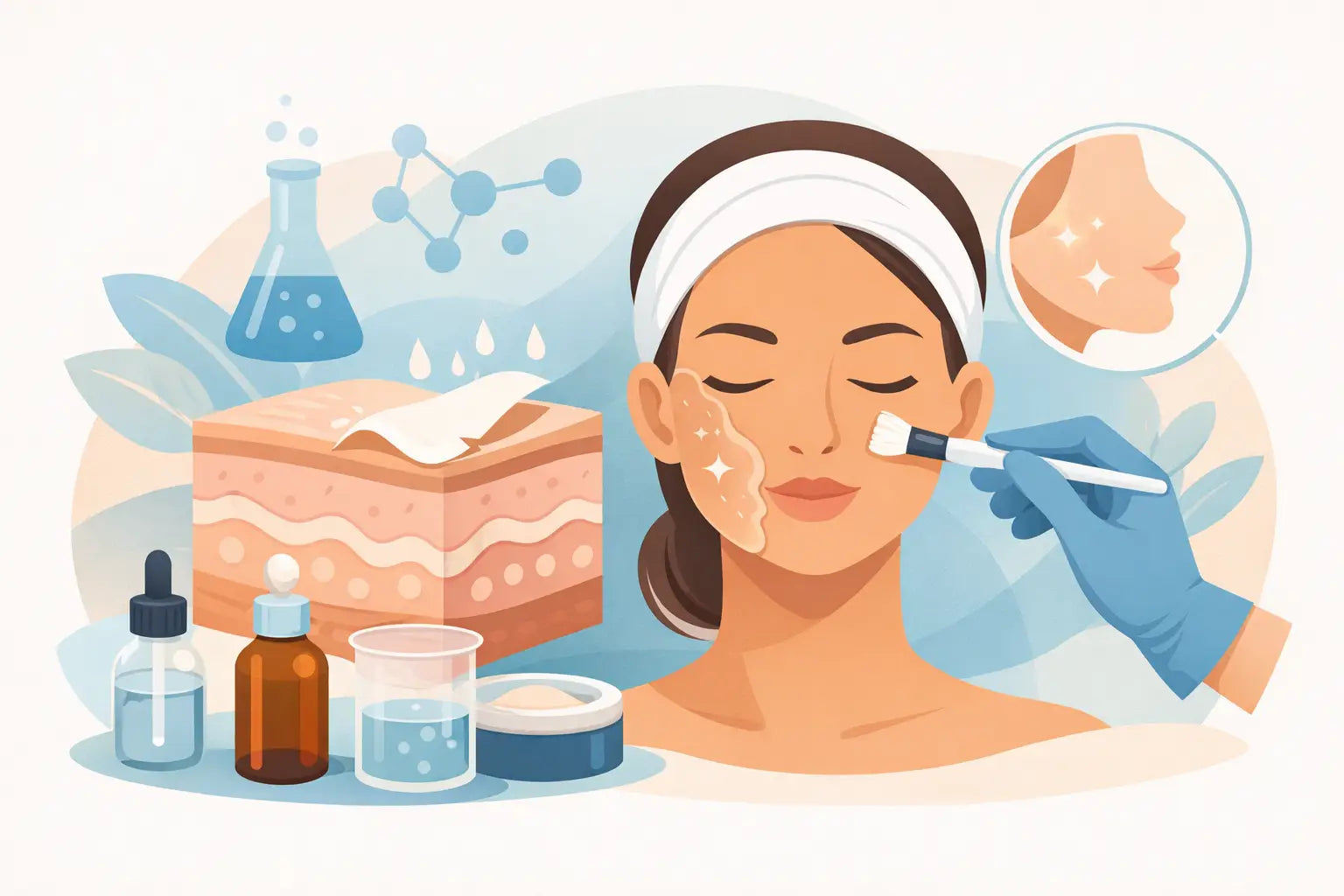
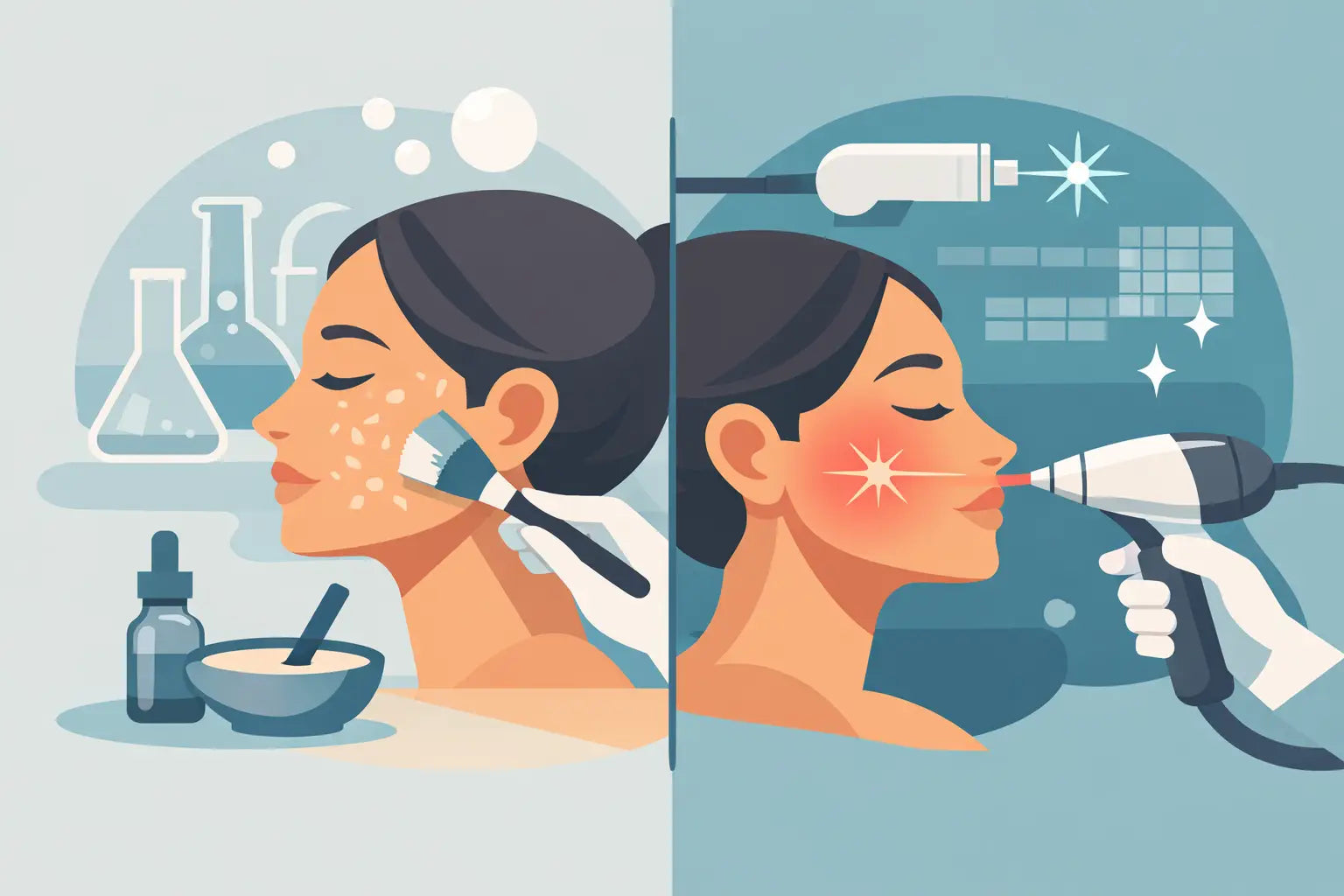
At a basic level, both treatments resurface the skin by creating controlled injury and triggering regeneration. The difference is how they get there. Chemical peels use acids or blended exfoliating agents to loosen and remove layers of the epidermis, and in some cases reach deeper depending on the formulation and protocol. Laser resurfacing uses light energy to target water in the skin and create thermal damage at controlled depths.
That distinction changes almost everything. Peels are chemistry-led, highly versatile and easier to tier across superficial, medium and deeper approaches. Lasers are device-led and can offer very precise energy delivery, but they also come with different cost structures, training requirements and risk profiles.
In clinic terms, peels are often the more accessible route for treating dullness, uneven tone, post-inflammatory pigmentation, superficial acne changes and general texture. Laser resurfacing tends to come into its own when a client wants a more aggressive correction pathway for deeper textural concerns, fine lines and certain scar profiles. That said, there is overlap, and the best practitioners know not to oversimplify it.
When chemical peels usually make more sense
Chemical peels work because they are adaptable. A well-selected peel can sit comfortably inside a course-based treatment plan, pair well with microneedling or skin boosters in a broader protocol, and appeal to clients who want visible improvement without the theatre of a device-based treatment.
For epidermal pigmentation, congestion, mild acne, rough texture and tired-looking skin, peels can deliver excellent value. They are especially strong when the goal is progressive improvement rather than one dramatic reset. This makes them commercially attractive as repeat treatments and easier to build into maintenance plans.
Another advantage is treatment flexibility across different skin presentations. Not every client is ready for significant downtime, and not every concern needs heat-based resurfacing. Superficial and medium peels can be adjusted with sensible intervals and good preparation, giving practitioners room to personalise without pushing too hard too quickly.
For many clinics, peels also make operational sense. The barrier to entry is lower than investing in laser hardware, treatment times can be efficient, and the consumable model is straightforward. If your business is balancing demand, margins and treatment turnover, peels often earn their place quickly.
When laser resurfacing can justify the extra step
Laser resurfacing has obvious appeal when clients want stronger correction and are prepared for the trade-off. Fractional systems in particular can be effective for acne scarring, etched lines and more advanced photoageing, where superficial peeling alone may not deliver enough change.
The attraction is precision. Device parameters allow you to tailor depth, density and energy in a way that can be highly targeted when you know exactly what you are treating. For the right client, this can mean more substantial improvement in fewer sessions.
But that extra power usually brings extra management. Downtime is often longer, post-treatment erythema can be more pronounced, and the aftercare conversation needs to be tighter. Sun avoidance, barrier support and realistic expectations are not optional. Clients who are vague about compliance are rarely ideal laser candidates.
There is also the commercial reality. Lasers demand capital investment, servicing, consumables in some cases, staff training and robust consultation processes. They can absolutely strengthen a clinic offering, but only if the demand, pricing and patient selection support the model.
Downtime, risk and skin type considerations
This is where chemical peels vs laser resurfacing becomes less about marketing language and more about judgement. A treatment can be technically effective and still be the wrong choice for a particular client.
Peels range widely in downtime. A light superficial peel may produce little more than dryness and mild flaking, while stronger protocols can involve visible peeling, sensitivity and a stricter recovery window. Laser resurfacing, especially ablative or higher-intensity fractional approaches, generally carries more social downtime and a more obvious inflammatory response.
Risk also shifts with skin type. Practitioners working with Fitzpatrick IV-VI clients already know the conversation changes. Post-inflammatory hyperpigmentation risk deserves serious respect with both modalities, but heat-based treatments often require even more caution. That does not mean laser is off the table in darker skin types, but it does mean protocol selection, priming and practitioner expertise matter hugely.
Peels can be a strong option in melanin-rich skin when chosen carefully, particularly for pigmentation-led concerns. Still, stronger is not automatically better. Overaggressive resurfacing, whether with acid or energy, is usually where problems begin.
Treating acne scars, pigmentation and ageing changes
Clients often present with mixed concerns, which is why a single-treatment mindset can fall short. Acne scarring, pigment and age-related texture changes may sit together, but they do not all respond equally to the same intervention.
For post-acne marks and superficial discolouration, peels often perform well, especially in a series. They can help refine tone and improve surface smoothness without pushing clients into extended downtime. For true atrophic scarring, however, peels may offer only modest improvement unless they are part of a larger combination strategy.
Laser resurfacing can have an edge with deeper textural changes and established fine lines because it reaches into remodelling territory more aggressively. If the client is chasing a smoother canvas rather than simply brighter skin, laser may be the more appropriate recommendation.
For photoageing, both options can work. Peels are often a smart first-line treatment for uneven tone, early laxity signs and a dull finish. Laser may be better suited where lines, crepiness and more obvious textural ageing are the priority. The key is resisting the urge to sell the biggest treatment when a smarter sequence would do the job better.
The business case for each treatment
Not every clinic decision is purely clinical. The service menu has to make sense commercially too.
Chemical peels are scalable, relatively efficient and easy to position as standalone treatments or part of a broader skin journey. They suit repeat custom, seasonal skin refresh campaigns and package pricing. For clinics focused on skin health, correction and regular client retention, peels are often a strong revenue driver.
Laser resurfacing can elevate perceived treatment value and attract clients looking for high-tech solutions, but the economics are different. You need enough suitable demand, enough practitioner confidence and enough room in your pricing structure to justify the overhead. It can be a premium service, but only if it is integrated properly rather than added because competitors offer it.
This is where supplier choice matters. Clinics need reliable access to professional-use peel ranges, prep products, post-care essentials and consumables that keep treatment delivery consistent. For businesses refining their skin category, dependable stock and commercial pricing are just as important as the protocol itself.
How to decide in consultation
A good consultation usually makes the answer clearer. Start with the concern, then pressure test the client’s expectations. Are they asking for resurfacing because they want brighter, fresher skin before an event, or because they are frustrated by longstanding scars and etched texture? Those are very different goals.
Then look at the practical factors. How much downtime can they really manage? Are they likely to follow aftercare exactly? What is their skin history, including pigmentation response, retinoid use, active acne, barrier impairment and recent treatments? What is their budget for a full plan rather than a single appointment?
Often, the best answer is staged rather than binary. A client may begin with peels to improve tone, tolerance and skin function, then move into more intensive resurfacing later if needed. Others will get everything they want from a peel course and good homecare, without the need for laser at all.
That kind of treatment planning tends to build trust because it feels tailored, not pushed. It also protects your results. Clients do better when the treatment matches both the skin and the lifestyle.
Which option is better?
If the question is glow, clarity, manageable downtime and a versatile treatment that fits neatly into repeat clinic business, chemical peels are hard to beat. If the question is stronger textural correction and the client accepts the recovery and cost profile, laser resurfacing may be the better investment.
The strongest clinics do not treat chemical peels vs laser resurfacing like a beauty-industry cage match. They use both modalities strategically, understand where each performs best and know when not to oversell intensity. Better decisions usually come from better consultation, not bigger claims.
The sweet spot is simple: choose the treatment that gives your client the best chance of visible results with acceptable risk, realistic downtime and a plan they will actually follow.