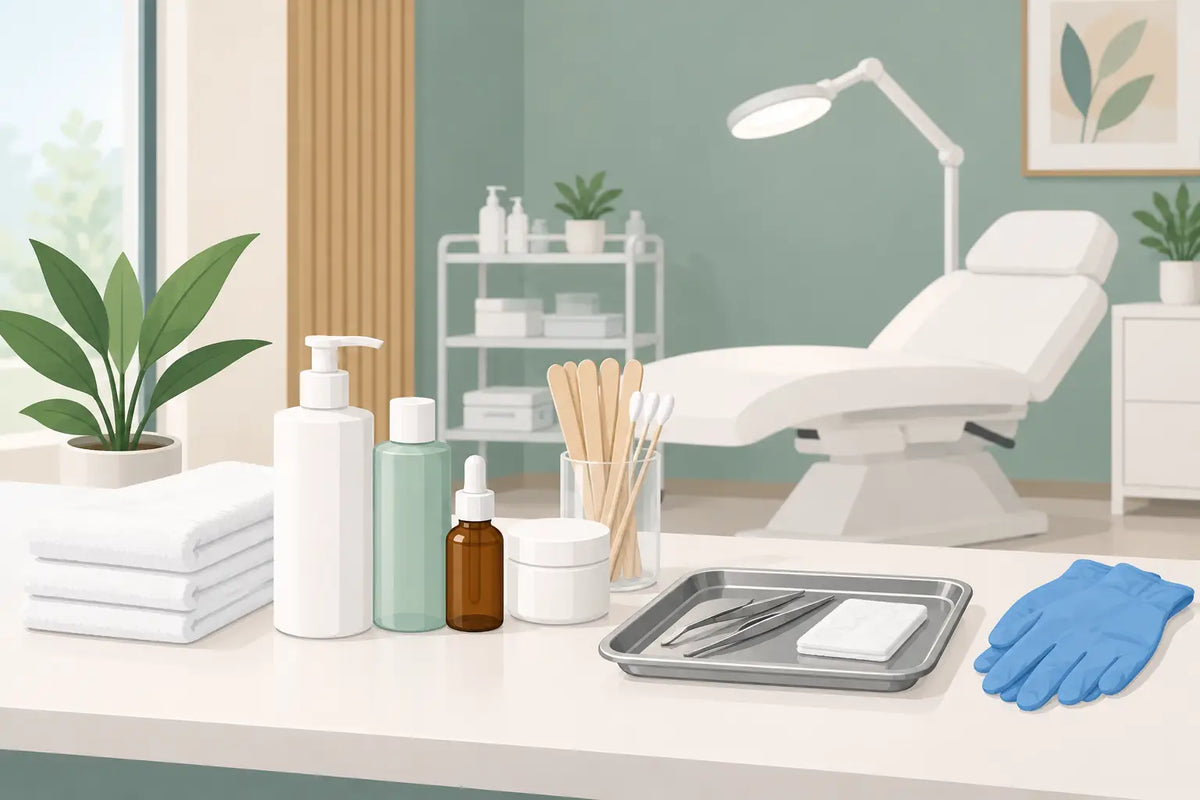
Aesthetic Starter Kit Essentials for New Clinics
A beautiful clinic launch can unravel quickly when a fully booked day exposes the gaps in your stock cupboard. The right aesthetic starter kit essentials are not about buying every trending product at once. They are about building a focused, professional treatment set-up that supports your competence, your client demand and the way you want your clinic to grow.
For new injectors, advanced beauty professionals and clinic owners, purchasing decisions have a commercial edge. Every item needs to earn its space: it should support safe practice, protect appointment flow or help deliver the visible results clients return for.
Start with your treatment menu, not a supplier catalogue
A starter kit should reflect the treatments you are qualified, insured and ready to provide now. It is tempting to build around the biggest social media trend, but a broad product range can tie up cash, complicate storage and leave you with slow-moving stock.
Start with two or three core services that suit your training, local audience and consultation style. For an injector-led clinic, that may mean a measured selection of dermal filler and skin booster options. For a skin-focused practice, chemical peels, microneedling solutions and targeted aftercare may be the stronger opening range. The goal is a treatment menu with enough choice to personalise appointments without creating unnecessary purchasing complexity.
Check each product against manufacturer guidance, your insurance terms, professional scope of practice and clinic protocols before ordering. Advanced categories such as polynucleotides, exosomes, PLLA and fat dissolving solutions can be commercially exciting, but they belong in the kit only when you have the appropriate training, patient selection process and confidence to use them responsibly.
Core aesthetic starter kit essentials
Think of your initial order in layers. Treatment products get the attention, but consumables, infection prevention and stock control are what keep the clinic operating professionally between appointments.
Treatment stock with a clear purpose
Choose products that match the results your clients are actively seeking. A curated filler range might cover the areas you treat most often rather than every available viscosity or format. A skin programme may centre on one or two dependable peel systems, a skin booster line and a microneedling option that fits your treatment protocols.
Buy quantities that make sense for your anticipated weekly bookings and product shelf life. Wholesale value matters, but a low unit price is not a saving if stock expires before it is used. Begin with reliable best sellers, record what moves, then expand according to real demand rather than guesswork.
Professional consumables that protect appointment flow
There is nothing glamorous about realising midway through a busy clinic day that you have run out of sterile gauze, sharps bins or suitable gloves. These are the quiet essentials that make treatments orderly, hygienic and efficient.
Your consumables plan should account for the full client journey, from preparation to post-treatment care. Depending on your services and protocols, this commonly includes:
- Appropriate PPE, gloves, masks, sterile gauze and cleansing materials
- Needles, syringes, cannulas and other single-use items specified by your training and product guidance
- Skin preparation products, treatment trays, marking tools and disposable protective covers
- Sharps disposal, clinical waste provision and cleaning supplies
- Cold packs, dressings and client aftercare materials where appropriate
Storage, traceability and clinic organisation
Professional stock needs more than a shelf. Check manufacturer storage requirements before products arrive, particularly where temperature, light exposure or handling conditions apply. Keep stock secure, clearly separated from non-clinical items and accessible only to authorised staff.
A simple stock system is enough at the start, provided it is used consistently. Record delivery dates, batch numbers, expiry dates and usage. Rotate stock so the shortest-dated suitable items are used first, while following your internal procedures and manufacturer instructions. This supports traceability, prevents avoidable waste and makes reordering far less reactive.
Consultation and aftercare materials
Results begin with an informed consultation, not the treatment tray. Your kit should include the operational materials that support consent, medical history review, photography processes where used, treatment records and aftercare communication. These documents must reflect your services, professional responsibilities and data protection arrangements.
Aftercare is also part of your brand. Clear, practical guidance helps clients understand what to expect and when to contact the clinic. It can reduce uncertainty after treatment while reinforcing that your practice is organised, attentive and professionally run.
Build for profitability, not just launch day
A starter kit is working capital. Treat it that way. Before placing a larger order, map each product to the number of treatments it can support, the consumables required per appointment and your expected margin after overheads. You do not need an overcomplicated spreadsheet, but you do need visibility.
It also pays to distinguish between revenue drivers and supporting stock. A popular skin booster or peel can generate repeat bookings, while gloves and gauze protect the delivery of that service. Both are necessary, but they should be bought and reviewed differently.
For many newer clinics, a tighter range is more profitable than an impressive-looking cupboard. It allows you to become known for selected treatments, train your team consistently and speak with real confidence during consultations. Once booking patterns are established, add complementary categories that genuinely fit the clinic journey, such as under-eye treatments for existing injectable clients or regenerative skin options for clients already committed to long-term skin quality.
Choose supply reliability as carefully as product choice
A product line is only useful if you can replenish it without disrupting your diary. When comparing suppliers, look beyond the headline price. Product authenticity, professional-only access, clear batch information, secure payment options, responsive support and dependable delivery all matter when client bookings are already in the calendar.
For UK clinics, fast dispatch can make a meaningful difference when a popular item runs low before a busy weekend. Still, next-day delivery should support sensible stock planning, not replace it. Keep a practical buffer for your core treatments and essential consumables, especially those that would force a cancellation if unavailable.
Skin Candy is built around that real-world clinic rhythm: professional product categories, competitive wholesale pricing and fast replenishment when stock needs moving. The strongest purchasing habit, however, remains the same whichever supplier you use - order from clear treatment demand and maintain records that tell you what is actually earning its place.
Avoid the common starter-kit mistakes
The first mistake is buying too wide. More brands and categories can feel like more opportunity, but they often dilute your budget and make it harder to build treatment expertise. The second is under-ordering consumables, which creates last-minute stress and inconsistent room set-up.
Another common issue is chasing a product because it is popular online without considering whether it fits your qualifications, client demographic or clinical model. A trend may be right for your clinic later, but there is no prize for offering it before your systems are ready.
Finally, avoid treating aftercare, documentation and stock records as admin to sort out later. They are part of professional delivery from the first client onwards. A premium experience is not only the glow-up in the mirror. It is the reassurance that every stage has been considered.
Let your kit evolve with your clients
Your opening stock is a starting point, not a permanent statement about your clinic. Review sales, rebooking rates, client requests, expiry exposure and seasonal demand regularly. Keep what performs, refine what does not, and introduce new categories when training, protocols and demand align.
The best aesthetic starter kit does not try to do everything. It gives you the confidence to deliver your chosen treatments brilliantly, protect the details clients never see and leave room for the next smart move.