Will My Skin Peel After a Chemical Peel?
A client books in for a peel expecting sheets of skin to shed by day three, then rings the clinic worried because nothing is happening. Another panics at the first sign of flaking and assumes something has gone wrong. If you hear the question will my skin peel after a chemical peel on repeat, the short answer is maybe - but not always in the way clients imagine.
That matters because visible peeling is often treated like proof of a successful treatment, when in practice the response depends on the acid blend, strength, pH, skin condition, pre-treatment prep and aftercare. For practitioners, setting that expectation properly protects trust, avoids unnecessary complaints and positions the treatment as clinically led rather than driven by social media myths.
Will my skin peel after a chemical peel - the honest answer
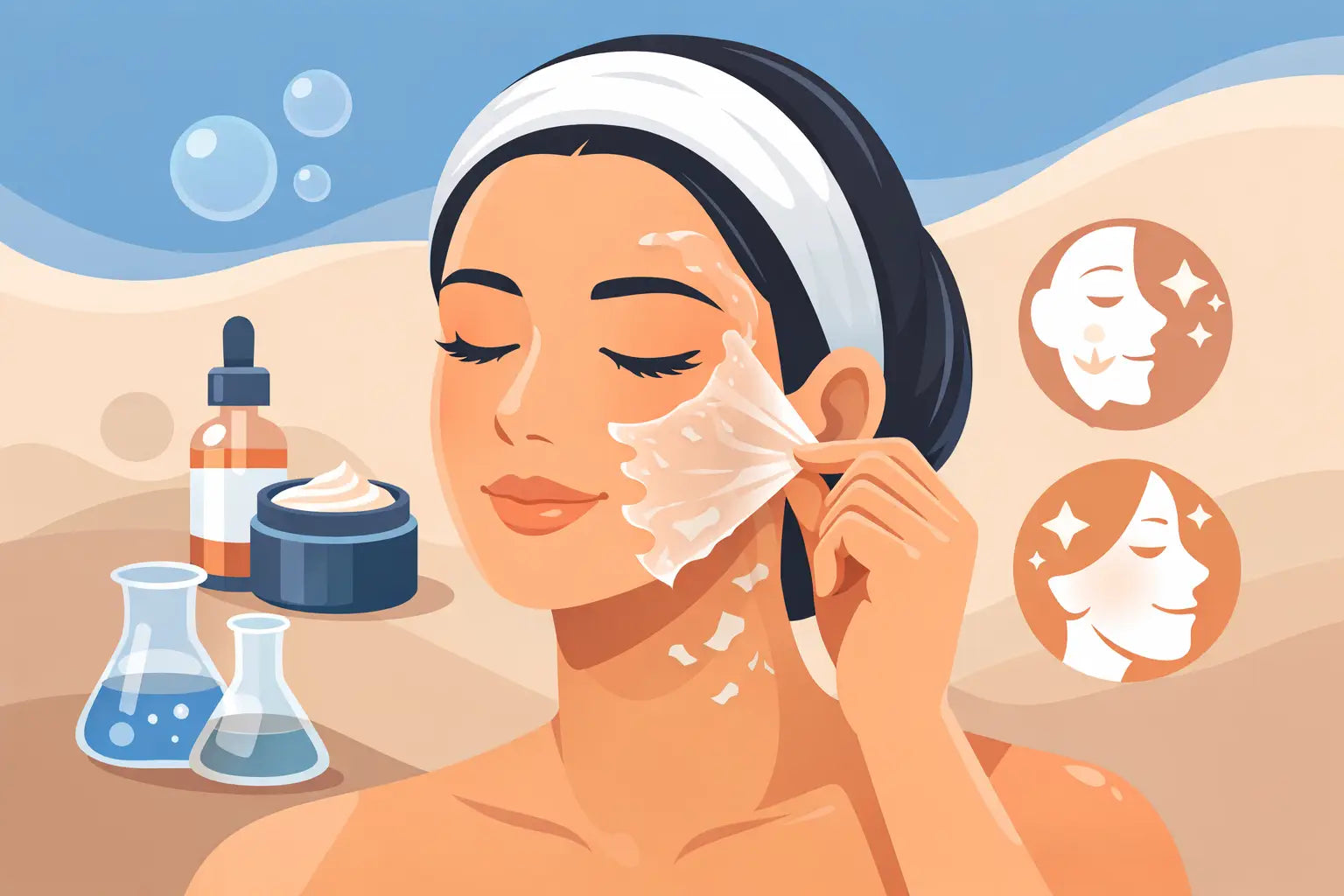
Not every chemical peel produces obvious peeling. Some clients will experience light flaking around the mouth, nose or chin. Some will have more noticeable shedding for several days. Others may feel tight, dry and slightly rough with very little visible desquamation at all.
A peel is still working even when dramatic skin shedding does not happen. The mechanism is based on controlled chemical exfoliation and stimulation of epidermal renewal, not on producing the most visible downtime possible. If a client expects a full skin shed after every treatment, they are measuring the wrong thing.
Superficial peels are the main reason for this confusion. Many modern formulations are designed to refresh tone, target congestion, support acne protocols or improve brightness with minimal interruption to daily life. That can mean the skin looks a little bronzed, feels taut, then flakes subtly rather than peels in large sections.
What actually determines how much peeling happens?
The biggest factor is peel depth. Superficial peels, including many alpha hydroxy acid and salicylic protocols, often cause mild dryness or micro-flaking rather than dramatic peeling. Medium-depth treatments are more likely to produce visible shedding and a clearer downtime window. Deeper peels, where appropriate and within the practitioner's scope, can create a much more obvious peel response.
Formulation matters just as much as the headline acid percentage. A 30 per cent peel is not automatically stronger in real-world skin behaviour than a lower-percentage formula with a lower pH or a more aggressive delivery profile. Buffering systems, combination acids and layering techniques all change the outcome.
Client skin condition also shifts the response. An oily, resilient skin may show less visible peeling than a dry, sensitised or compromised barrier, even when the same protocol is used. Pre-existing dehydration, recent retinoid use, over-exfoliation at home and poor compliance with pre-care can all increase the likelihood of irritation and uneven shedding.
Then there is practitioner technique. Contact time, number of layers, skin priming, degreasing and endpoint recognition all influence what happens next. That is why two clients having "the same peel" may report very different recovery patterns.
Why some clients peel more around the mouth and nose
This is common and usually expected. The skin around the nose, mouth and chin often has more movement, more product build-up from daily skincare and more tendency towards dryness. Those areas can start flaking before the rest of the face, which sometimes makes clients think the peel is patchy or failing. In most cases, it is simply how the skin is responding anatomically.
When peeling usually starts
If visible peeling is going to happen, it often begins between 48 and 72 hours after treatment. Some clients feel tightness on day one, look slightly darker or shinier on day two, then notice flaking from day three onwards. Mild peeling may settle within a couple of days. More noticeable shedding can continue for five to seven days depending on the protocol.
That said, there is no universal timeline. Salicylic peels may create a dry, powdery flake. TCA-based treatments may lead to more obvious desquamation. Combination peels can behave differently again. Clients should be told that the first sign is not always peeling - sometimes it is dryness, sensitivity or a stretched feeling in the skin.
What clients often think peeling means
A lot of clients associate more peeling with better results. That idea is commercially tempting because visible downtime can make a treatment feel more dramatic, but it is not a reliable way to judge success. Excessive peeling can just as easily point to irritation, poor homecare or a client who was not an ideal candidate on that day.
The real marker is whether the treatment objective is being met over the correct course. If the goal is brighter skin, reduced congestion, improvement in post-inflammatory pigment or smoother texture, the answer sits in the outcome over time, not in whether skin visibly sheets off by the weekend.
For clinics, this is where strong consultation earns its keep. The better the expectation-setting, the less likely the client is to compare their recovery to someone else's social post and decide their treatment did not work.
Will my skin peel after a chemical peel if it is my first one?
Often, first-time clients do notice some peeling, but not always. In fact, many practitioners intentionally start with a more conservative protocol to assess tolerance, barrier status and adherence to aftercare. That can mean less visible shedding on the first appointment than the client expected.
This is good practice, not under-treatment. Building a peel programme gradually is often the smarter commercial and clinical route. It supports safer progression, better client confidence and stronger repeat booking potential.
If a first-time client has prepped poorly, arrived with a sensitised barrier or has been enthusiastic with home acids and retinoids, they may peel more than ideal even from a superficial protocol. So again, it depends.
How to explain normal peeling versus a problem
Normal post-peel behaviour usually includes tightness, dryness, mild redness and controlled flaking. The skin may feel rough before it looks smoother. Clients should resist picking, rubbing or manually exfoliating loose skin, especially around active areas of shedding.
What needs closer review is escalating inflammation, severe discomfort, marked swelling, blistering, crusting or prolonged redness beyond what is expected for the peel used. A practitioner-led aftercare pathway should make this distinction clear from the start. Clients do not need vague reassurance - they need specific guardrails.
Aftercare has a direct effect on how the peel behaves
Even a well-chosen peel can look messy if aftercare slips. Heat exposure, gym sessions, active skincare, friction and poor SPF use can all worsen irritation and make peeling more visible or less even. On the other side, heavy occlusives or unsuitable products can confuse clients by changing how dry skin lifts away.
Simple instructions win here. Gentle cleansing, bland hydration, sun protection and a hands-off approach are usually far more useful than overloading the client with ten rules they will not follow.
Should you want your clients to peel?
Not necessarily. In many busy clinics, low-downtime treatment demand is exactly the commercial sweet spot. Clients want glow, clarity and smoother texture without taking themselves off the grid for a week. A peel that performs well with minimal visible shedding can be easier to sell, easier to repeat and easier to fit into maintenance plans.
There are, of course, cases where more noticeable peeling aligns with the treatment goal and has been properly consented for. But that should be an informed choice, not a default sign of quality. Chasing peel for peel's sake is rarely the smartest treatment strategy.
The practitioner takeaway
When someone asks will my skin peel after a chemical peel, the best answer is precise rather than dramatic. They may peel a little, they may peel quite obviously, or they may mainly feel dry and tight with little visible shedding. None of those outcomes automatically tells you whether the peel was effective.
For clinic teams, this is one of those small consultation moments that has a big effect on satisfaction. If you explain the likely response based on the exact peel, the client's skin condition and the level of downtime they can realistically manage, you cut through guesswork and keep the treatment journey professional.
That is the difference between selling a peel and leading one properly. In aesthetics, confidence comes from control - and clients notice it.