PLLA vs Polynucleotides Results: What Changes?
A client asks for a tighter lower face, better cheek support and a result that builds rather than looks freshly filled. Another wants crepey under-eye skin to look brighter, calmer and better hydrated. The conversation around PLLA vs polynucleotides results starts with the same word - regeneration - but these treatments are not interchangeable. They work in different tissue conversations, on different timelines, and often answer different client priorities.
For practitioners, getting the distinction right protects expectations, sharpens consultation language and helps build treatment plans that make commercial as well as clinical sense. One treatment may be the star of a long-term structural plan; the other may be the skin-quality finishing move that keeps clients coming back.
PLLA vs polynucleotides results at a glance
PLLA is generally selected when the goal is progressive collagen stimulation and a firmer, more supported appearance over time. It is commonly positioned for areas where age-related volume loss, laxity and reduced dermal density are part of the concern. The visible outcome is not intended to be an instant filler-style transformation. Instead, clients see a gradual improvement in tissue quality, contour and skin firmness as the treatment plan develops.
Polynucleotides are typically chosen for skin quality. Their results tend to centre on hydration, elasticity, luminosity and the appearance of smoother, healthier-looking skin. They are particularly useful where skin is fine, fragile or dull, including areas that may not be appropriate for a volumising approach, such as the periocular region when used according to product indication and practitioner assessment.
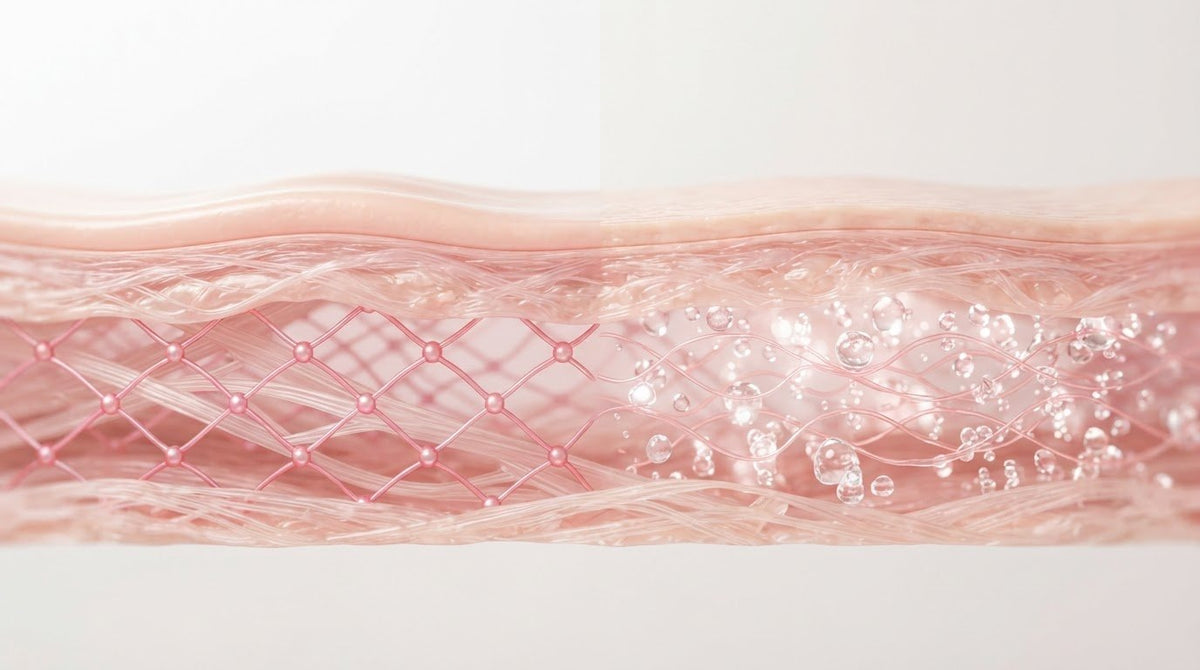
In simple terms, PLLA is often about rebuilding the framework. Polynucleotides are about improving the finish and condition of the skin sitting over it. That distinction is useful, but not absolute. A client with early laxity and dehydrated skin may benefit from both at different points in their journey.
What clients are likely to see with PLLA
The most marketable feature of PLLA is also the one that needs the clearest explanation: the result is gradual. Depending on the product, protocol, area treated and individual response, clients may initially see treatment-related fullness or swelling. This is not the final collagen-led outcome and should never be sold as such.
Over subsequent weeks and months, the aim is improved dermal support and a more rested, firmer appearance. Clients may report that their face looks less deflated, that make-up sits better, or that the lower face and cheeks look subtly more lifted. The best PLLA results do not announce themselves as a procedure. They read as well-maintained skin and stronger facial architecture.
This makes PLLA a strong option for clients who understand the value of a course and are comfortable investing in delayed gratification. It may be less suitable for someone seeking a rapid event-ready change or a precisely placed, immediate contour correction. That is where a different modality, including an appropriate HA filler plan, may be more aligned with the brief.
The PLLA timeline matters
Results are cumulative, and treatment plans are often staged. The number of sessions, intervals and re-treatment schedule must follow the individual product instructions for use, anatomical assessment and the practitioner’s clinical judgement. Avoid promising a universal timeline. Collagen response varies with age, baseline tissue quality, lifestyle factors and the client’s ability to attend their planned appointments.
For clinic communication, frame PLLA as a programme rather than a one-off purchase. This is more honest and helps clients understand why review appointments and high-quality photography matter. Progressive treatments sell best when progress is documented well.
What clients are likely to see with polynucleotides
Polynucleotide treatments are usually less about changing facial shape and more about making skin look like it has had a very good month. The result clients often notice first is improved hydration and glow. With a course, the skin may appear more resilient, smoother and more elastic, while fine textural concerns can look softened.
That makes polynucleotides especially compelling for clients who say, “I look tired”, but cannot point to a single line or volume deficit they want corrected. It is also a useful conversation for those who have had volumising treatments before and now need attention directed towards skin quality rather than more projection.
The effect can be understated after a single session. Set that expectation early. For many clients, the appeal is the accumulated improvement over a course, followed by maintenance based on the chosen product protocol and their response. The glow-up is real, but it should be described as gradual enhancement, not a guarantee of perfect skin.
A word on delicate areas
Polynucleotides have become a popular consideration for concerns around thin, dehydrated-looking skin, particularly around the eyes. However, the area is unforgiving and demands a careful assessment of anatomy, oedema risk, existing filler, skin laxity and the cause of the client’s concern. Dark circles are not one condition. Pigment, shadowing, hollowing, vascular visibility and puffiness all need different thinking.
A good result begins with selecting the right concern, not simply selecting a trending product category.
Choosing the treatment by concern, not hype
When comparing PLLA and polynucleotides, the consultation should lead. A client’s age alone does not determine suitability. Look at tissue quality, facial proportions, volume distribution, degree of laxity, treatment history, budget, downtime tolerance and how quickly they expect to see a change.
PLLA may sit more naturally within a plan where diffuse volume loss and reduced structural support are the priority. Polynucleotides may be the better fit where the complaint is dehydrated, crepey, lacklustre or compromised-looking skin. If the client wants a sharper jawline tomorrow, neither should be presented as an instant contouring substitute.
There is also a practical commercial point. A client who is educated about treatment sequencing is more likely to commit to the right course than one who is sold a single “miracle” appointment. Clear positioning reduces dissatisfaction and makes follow-up recommendations feel considered rather than transactional.
Can PLLA and polynucleotides be used in the same plan?
Yes, they can form part of a wider plan when there is a sound rationale, appropriate spacing and product-specific protocols are followed. The combination can be attractive because it addresses two separate objectives: PLLA for collagen-led structural support and polynucleotides for surface quality and tissue condition.
That does not mean every client needs both. Layering treatments without a defined objective can increase cost, complicate aftercare and blur the ability to judge what is delivering value. Start with the concern that matters most to the client. If a patient is primarily bothered by laxity and flattening, build the structural conversation first. If their main frustration is fragile, dehydrated skin, begin there.
Photographs taken in consistent lighting, position and expression are invaluable. They turn subtle improvements into evidence and support a more confident review conversation. For progressive treatments, that evidence can be the difference between a client feeling unsure and a client booking maintenance.
Managing expectations and safety
Neither treatment is a casual add-on. Practitioners should work within their training, insurance, local requirements and each manufacturer’s current instructions for use. Screen for suitability, discuss contraindications and precautions, take a full medical history, obtain valid consent and provide clear aftercare. Treatment-related swelling, bruising, tenderness and temporary irregularities can occur, and clients should understand what is expected and when to contact the clinic.
PLLA in particular requires product knowledge, correct preparation and placement technique. Polynucleotides also require thoughtful technique and realistic planning, particularly in sensitive anatomical areas. The product is only one part of the result. Assessment, dosage, tissue handling, placement and review process carry equal weight.
Stocking with purpose
For clinics, PLLA and polynucleotides are not competing lines so much as complementary categories. PLLA can support premium, long-term collagen programmes for clients seeking progressive facial rejuvenation. Polynucleotides can create regular opportunities around skin quality, periocular concerns and maintenance-led care. Both benefit from a practitioner who can explain the “why” in plain, confident language.
Skin Candy’s professional-only range is built for clinics that need to keep high-demand treatment categories moving without overcomplicating purchasing. Stock should follow your consultation patterns: buy for the concerns you assess most often, not simply the trend that is loudest on social media.
The strongest results come from matching the right biological approach to the right client goal. When clients understand that PLLA builds support while polynucleotides refine skin quality, the treatment plan becomes easier to trust, easier to follow and far more likely to deliver the kind of quiet, credible glow-up they will want to repeat.