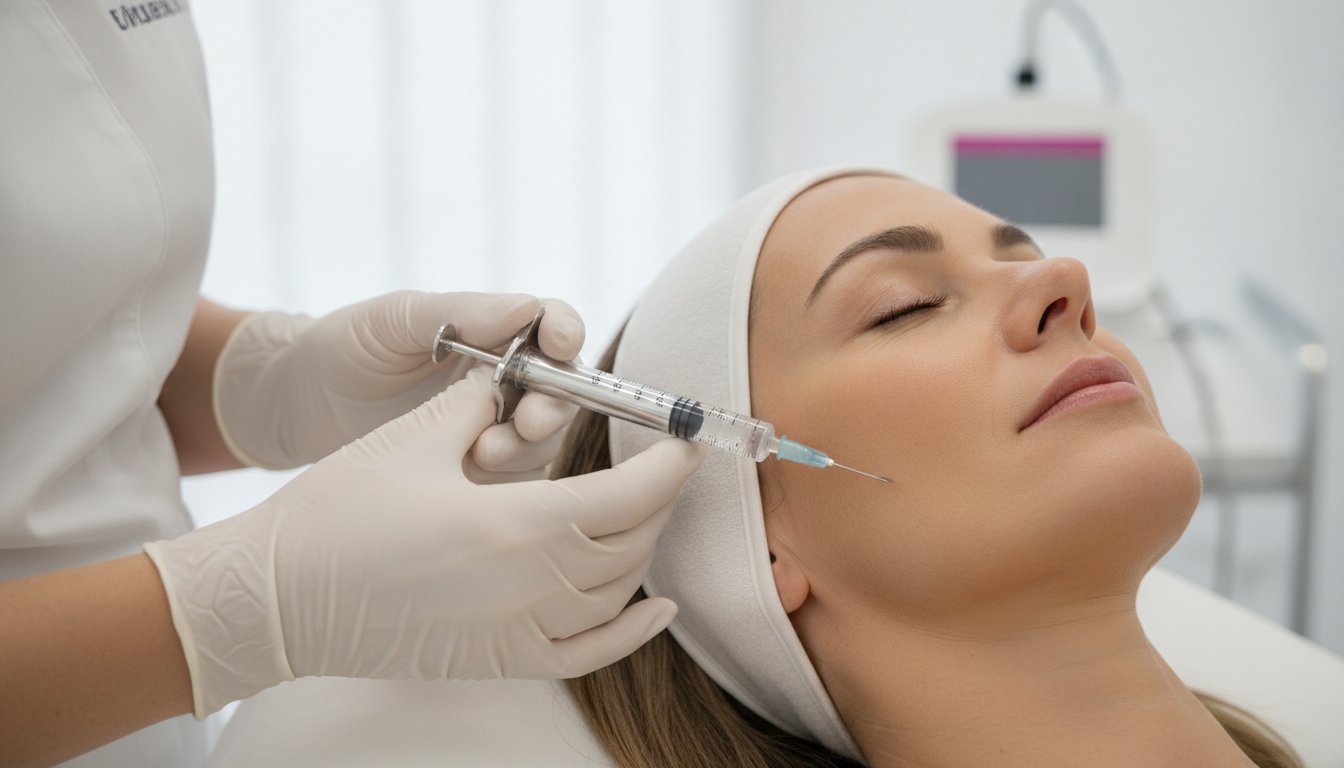
Exosomes vs Polynucleotides Treatment Compared
A client asking for a brighter, healthier-looking complexion is not necessarily asking for the same thing as one focused on post-procedure recovery, fine lines or crepey skin. That is the real decision behind exosomes vs polynucleotides treatment. Both categories sit in the regenerative aesthetics conversation, both can support premium skin-quality plans, and both need to be selected with more care than a trend-led treatment menu allows.
For practitioners, the better question is not which is universally superior. It is which approach fits the client’s skin, treatment pathway, downtime tolerance, expectations and your clinic’s protocols. Get that right and the result is a more credible consultation, clearer treatment positioning and a stronger reason for clients to return.
Exosomes vs Polynucleotides Treatment: The Core Difference
Exosomes are tiny extracellular vesicles involved in cell-to-cell signalling. In aesthetic products, they are commonly positioned as topical professional-use solutions, often used after procedures that create controlled microchannels or temporarily compromise the skin barrier, such as microneedling, laser or other energy-based treatments. Product origin, manufacturing standards, formulation and approved intended use vary considerably, so these details must never be treated as interchangeable.
Polynucleotides are purified DNA fragments, most commonly derived from salmonid sources, formulated for intradermal use in products intended for professional aesthetic practice. They are generally selected for biostimulation-focused protocols, where the aim is improved skin quality over time rather than an instant volumising effect.
Put simply, exosomes tend to be discussed around signalling, recovery support and post-treatment skin conditioning. Polynucleotides are commonly used as an injectable treatment course for hydration, tissue quality, elasticity and a fresher-looking complexion. The overlap is real, but their role in clinic is different.
When Exosomes Make Commercial and Clinical Sense
Exosome products can make sense for clinics already delivering advanced skin treatments. They provide a natural add-on or upgrade after microneedling, depending on the product instructions and the practitioner’s insurance, training and local protocols. For a client who wants a polished recovery experience as well as visible glow, that combination can be compelling.
The appeal is often immediate from a treatment-menu perspective. A recovery-focused facial protocol is easy for clients to understand, particularly when paired with a procedure they already know. It can also help differentiate a microneedling or device-based service from a basic, price-led version offered elsewhere.
That said, practitioners should avoid overselling the science. Exosomes are a fast-moving category with variation in source material, processing, characterisation and clinical evidence. Terms such as ‘regenerative’ can attract attention, but they do not replace a careful product review. Check traceability, storage requirements, sterility claims where relevant, intended route of administration and the evidence supplied for the exact product in your hand.
Exosomes should not be assumed to be suitable for injection simply because they are discussed alongside injectable regenerative treatments. Use only as directed by the manufacturer and within your professional scope, insurer requirements and clinic governance. In the UK, product classification and regulatory expectations can be complex, making supplier due diligence and accurate treatment claims essential.
Best-fit exosome clients
Exosomes may suit clients booking a procedure-led skin reset, particularly where their priorities are a smoother-looking finish, post-treatment comfort and an elevated treatment experience. They may also appeal to experienced aesthetic clients who are interested in newer skin technologies but still need grounded, honest guidance.
They are less suited to clients looking for structural lift, deep volume replacement or a one-off fix for longstanding laxity. A premium add-on still needs a clear purpose. If it does not improve the treatment plan, it risks becoming an expensive buzzword rather than a useful clinical choice.
Where Polynucleotides Earn Their Place
Polynucleotides have become a major category in skin-quality treatment plans because they fit a broad but specific concern: skin that needs support rather than filler. Think fine lines, dehydration, reduced elasticity, dullness, fragile-looking under-eye skin and areas where heavy volumisation would be the wrong call.
For the right candidate, a course of treatment can be easier to position than an exosome protocol because the client understands injections and planned sessions. The conversation becomes about gradual improvement, tissue quality and maintenance. That is commercially valuable, but it also sets a more realistic expectation than promising a dramatic overnight change.
Polynucleotides are frequently considered for the face, neck, décolletage and periocular area where an appropriate product, technique and practitioner assessment support their use. Product selection matters. A formula designed for delicate skin or an eye-area protocol should not be casually substituted for a standard facial polynucleotide, even when the branding appears similar.
Best-fit polynucleotide clients
A client with tired-looking, fine-lined skin who does not need added volume can be an excellent candidate. So can someone whose goal is to improve the quality of the skin around the eyes, where conventional filler may not be indicated or desired. Clients willing to commit to a course and maintenance plan are often the best match.
Polynucleotides are not a replacement for a full assessment. Active infection, inflammation, relevant allergies, pregnancy or breastfeeding considerations, medical history and treatment contraindications all require proper screening. As with every injectable category, consent must cover expected outcomes, possible adverse effects, downtime, alternatives and the fact that results vary.
Choosing Between Them in Consultation
The simplest way to choose is to identify the primary treatment objective. If the client is already having a procedure such as microneedling and wants to optimise the post-procedure pathway within the product’s intended use, an exosome option may be relevant. If the client needs a structured injectable plan focused on skin quality and gradual improvement, polynucleotides may be the stronger fit.
The timing matters too. Exosomes are often discussed as part of a same-appointment protocol. Polynucleotides generally sit within a course-based plan, with review appointments that give you the opportunity to assess response, refine aftercare and build long-term client loyalty.
There are cases where both categories may feature in a wider clinic offering, but that does not mean they should be stacked routinely. Introducing multiple variables at once can make it harder to judge response, manage expectations and investigate any adverse event. A phased plan is often cleaner: address the main concern first, review properly, then decide whether a complementary treatment genuinely adds value.
Build the Menu Around Outcomes, Not Hype
From an inventory viewpoint, exosomes and polynucleotides should not be purchased because they are having a moment on social media. Bring them in because they fill a defined gap in your treatment menu.
For exosomes, consider whether you already have enough procedure volume to justify stock, whether the product’s storage and shelf-life requirements suit your clinic, and whether your team can explain its role without making therapeutic claims. A smaller, carefully chosen range is usually easier to manage than several similar products with no clear protocol.
For polynucleotides, look at demand across your existing client base. If you regularly see clients asking for under-eye refreshment, neck rejuvenation or a filler-free approach to skin quality, a focused range can become a dependable repeat-purchase category. Plan for courses, reviews and maintenance rather than treating it as a single-session sale.
Skin Candy’s practitioner-led wholesale approach is built for clinics that need to replenish in-demand treatment categories without making stock ordering another full-time job. But fast fulfilment should support considered purchasing, not replace it. Buy products you understand, can store correctly and can confidently integrate into documented protocols.
Safety, Evidence and Language That Protects Your Reputation
The regenerative category attracts bold claims, which makes disciplined communication a competitive advantage. Avoid promising cell regeneration, permanent correction, guaranteed collagen production or medical outcomes that are not supported by the specific product evidence. Use language clients can understand: improved hydration, fresher-looking skin, enhanced radiance, smoother texture and gradual skin-quality support, where appropriate to the product and assessment.
Keep manufacturer instructions, batch records, consent forms, treatment photographs and aftercare aligned with your clinic’s governance. Confirm the product has been sourced through an appropriate professional channel, check expiry dates on delivery and maintain cold-chain handling where required. These are not back-office details. They are part of the result clients trust you to deliver.
Training is equally non-negotiable. A practitioner skilled in polynucleotide injections may still need product-specific education, while a practitioner offering exosome-supported procedures needs a clear understanding of application protocols, contraindications and aftercare. Your artistry matters, but so does knowing when a treatment is not the right answer.
The strongest choice between exosomes and polynucleotides is the one that gives a client a clear, credible next step - and gives your clinic a treatment plan you can stand behind at every review appointment.