Polynucleotide Indications for Aesthetic Clinics: A Comprehensive 2026 Practitioner Guide
In 2026, Google searches across the UK for polynucleotides surpassed dermal fillers for the first time. This data signals a massive transition in patient demand from instant volumisation to long-term cellular repair. However, many practitioners still face confusion regarding the specific polynucleotide indications for aesthetic clinics compared to traditional hyaluronic acid boosters. You likely recognise the regenerative potential of these DNA-derived injectables but require a definitive framework to integrate them into your daily practice without clinical hesitation.
It's frustrating when technical uncertainty or inconsistent supply chains slow down your clinic's growth. This guide solves those issues by providing a clear three-session protocol and precise injection depths for periorbital and full-face treatments. You'll gain the clinical confidence to deliver superior results while ensuring your procurement is streamlined through reliable UK wholesale channels, such as those provided by Skin Candy. We'll examine the latest 2026 regulatory standards, technical application methods, and the logistics of maintaining a consistent inventory for your high-demand regenerative services.
Key Takeaways
- Identify the fundamental differences between traditional Hyaluronic Acid boosters and the DNA-derived regenerative power of polynucleotides.
- Master the specific polynucleotide indications for aesthetic clinics to address periorbital hollows, fine lines, and cellular-level skin repair.
- Establish a high-performance patient protocol using the three-session loading phase at optimal 21-28 day intervals.
- Refine your technical delivery by standardising injection depths and choosing between precision needles or micro-cannulas for varied anatomical zones.
- Ensure operational continuity by partnering with a UK-based wholesaler for rapid fulfilment and consistent access to CE-marked consumables.
The Regenerative Shift: Why Polynucleotides are Essential for Modern Clinics
The UK aesthetics market has reached a saturation point with traditional dermal fillers. Patients are increasingly wary of the "over-filled" look. They want skin that looks healthy, not just stretched. Polynucleotides (PNs) provide the answer. UK searches for these treatments reached 55,000 in a single month in 2026, marking a 133% year-on-year increase. They move the focus from structural augmentation to biological repair. By Understanding the Biological Mechanism of these DNA fragments, practitioners can offer a truly regenerative solution that future-proofs their clinic menu against aesthetic fatigue.
Bio-Stimulation vs Volumisation: A Clinical Distinction
Traditional Hyaluronic Acid (HA) skin boosters primarily work through hydration. They pull water into the tissue for an immediate, albeit temporary, glow. PNs work differently. They are bio-stimulators that trigger trophic action. This means they stimulate the body's own fibroblasts to produce Type I collagen and elastin. It's a fundamental shift in how we treat skin laxity. You're not just masking the problem with fluid; you're repairing the architecture of the dermis.
This makes the periorbital region one of the most critical polynucleotide indications for aesthetic clinics. Fillers in the tear trough carry risks of swelling, oedema, and the Tyndall effect. PNs avoid these complications by physically thickening the thin skin in the under-eye area. You must manage patient expectations here. This is "slow aesthetics." Results aren't instant; they develop over several weeks as the skin heals from within. It requires a mindset shift from both the practitioner and the patient.
Integrating Regenerative Treatments into Your Business Model
From a commercial perspective, PNs are highly efficient. They require a mandatory multi-session plan, usually a minimum of three sessions. This naturally increases patient retention and clinic touchpoints. You aren't just selling a one-off syringe; you're selling a structured journey of skin health. This creates a more stable revenue stream for your practice whilst ensuring the patient achieves the best possible clinical outcome.
Use PNs as a "priming" treatment. Clinical observation suggests that healthier, more elastic skin provides a better "canvas" for subsequent dermal fillers or thread lifts. By treating the skin quality first, you often need less filler to achieve the desired lift. This improves the longevity of the results and significantly reduces the risk of filler migration. It's a smarter way to work.
Identify your ideal patient profile. Look for sophisticated demographics who value natural results and are wary of looking "done." They're often the ones asking for "tweakment-free" outcomes. They want to look like themselves, only refreshed. PNs meet this demand perfectly, allowing you to capture a segment of the market that might otherwise avoid aesthetic clinics.
Providing a premium patient experience extends beyond the treatment itself to the cleanliness and presentation of your clinic; for those interested in the high standards of professional upholstery care, you can visit Do Pure Cleaning to explore their specialist services.
Understanding the Biological Mechanism: DNA-Derived Regeneration Protocols
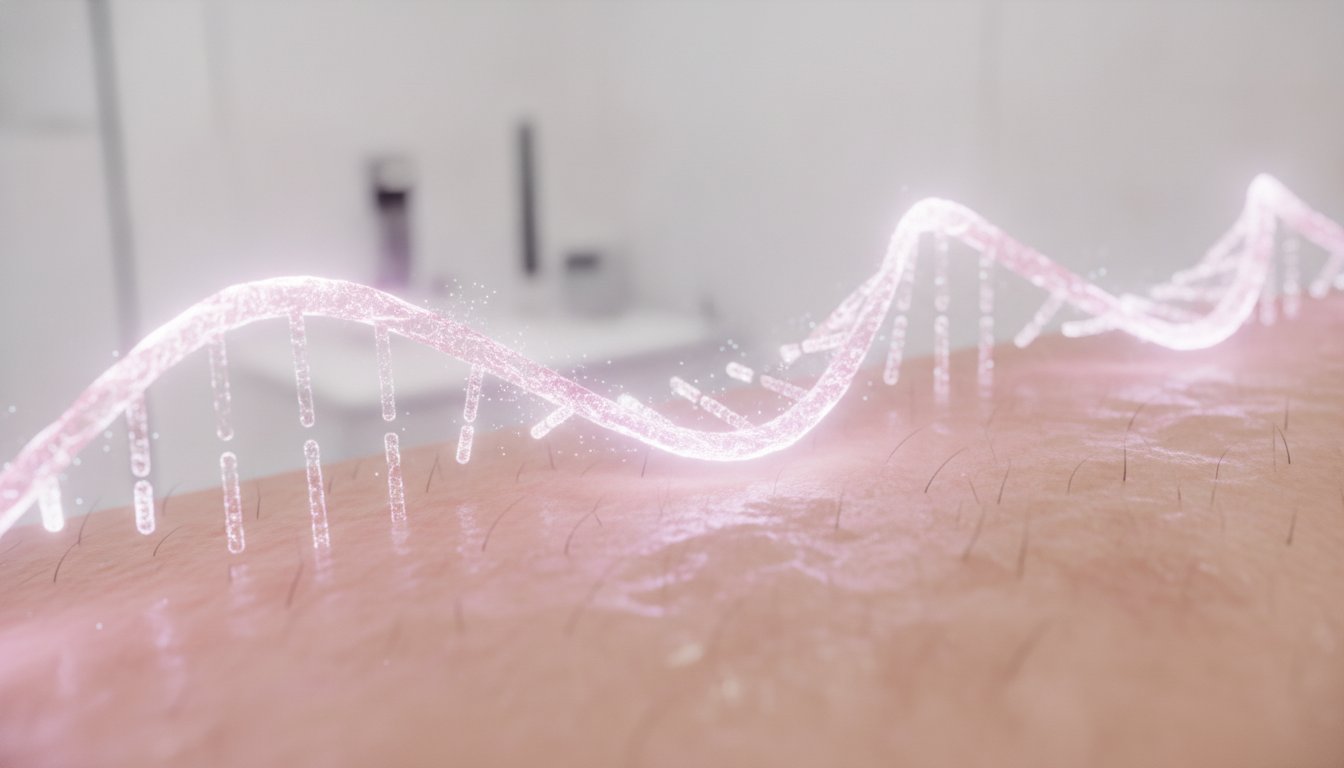
Biological regeneration relies on precision signalling. Polynucleotides are biological signal enhancers for cellular tissue repair. Unlike dermal fillers that provide immediate volume through physical displacement, PNs function as metabolic catalysts. They consist of long-chain DNA fragments, typically extracted from salmonid sperm, which are purified to a high degree to ensure clinical safety. This purification is critical. It removes protein structures that could trigger an immune response, leaving only the bioactive fragments required for tissue synthesis. When considering the polynucleotide indications for aesthetic clinics, practitioners must view these products as tools for restoring biological function rather than simply filling a fold.
The primary mechanism of action involves the activation of A2A receptors. Once injected, the PNs bind to these specific cell surface receptors, initiating a cascade of regenerative events. This binding stimulates the production of Type I collagen and helps reorganise the extracellular matrix. PNs also possess powerful antioxidant properties. They act as scavengers for free radicals, which are the main culprits in cellular ageing and environmental skin damage. By neutralising these radicals, PNs protect existing skin structures while promoting the growth of new, healthy tissue.
The Role of Fibroblasts and Adipocytes in Tissue Repair
PNs send clear signals to fibroblasts to increase their metabolic activity. This doesn't just result in more collagen; it improves the entire architecture of the dermis. By increasing dermal thickness, the skin naturally retains more moisture, leading to a visible improvement in hydration and elasticity. There's also evidence that PNs influence adipocyte health, which is essential for maintaining the subtle fatty layers that prevent a gaunt appearance. To achieve these results with consistency, you can source professional-grade polynucleotides that meet strict UK medical standards.
Contraindications and Patient Safety Management
Patient safety starts with a thorough consultation. The most significant contraindication for PN treatments is a known fish allergy. Since the DNA is derived from salmon or trout, you must exclude these patients to avoid hypersensitivity reactions. Ethical transparency is also necessary. Vegan or vegetarian patients may have objections to the animal origin of the product. Always disclose the source of the DNA fragments before proceeding. For patients with a history of high sensitivity, implement a standardised patch testing protocol. Administer a small intradermal bolus in a discreet area and monitor the site for 24 to 48 hours before starting a full treatment course.
Clinical Application: Injection Techniques and Treatment Zones
Precision is the hallmark of successful regenerative medicine. When managing polynucleotide indications for aesthetic clinics, your choice of delivery tool dictates the patient's recovery profile and the efficacy of the biological signal. For targeted work in the periorbital area, 30G or 32G needles allow for meticulous micro-bolus placement. In contrast, micro-cannulas are often superior for full-face bio-remodelling. They reduce the risk of bruising and allow for a retrograde fanning technique that covers larger surface areas with fewer entry points. Your delivery method must align with the patient's skin laxity and the specific anatomical zone being treated.
Depth is the most critical variable in PN administration. To stimulate fibroblasts effectively, you must target the deep dermis. Superficial "Nappage" or micro-droplet techniques are excellent for improving surface texture and radiance, similar to traditional mesotherapy. However, for structural repair and skin tightening, the "Five-Point" technique is often more efficient. This involves injecting larger boluses at specific bio-aesthetic points, allowing the product to diffuse naturally through the tissue layers. Standardising these depths ensures consistent results across your patient base, regardless of individual facial morphology.
Periorbital Protocol: The Gold Standard for Under-Eyes
The eye area remains the most popular of all polynucleotide indications for aesthetic clinics. It effectively addresses dark circles, hollowing, and fine "crow's feet" without the puffiness associated with HA fillers. Focus your injection pattern on the periorbital rim and the lower eyelid, using 0.05ml boluses spaced 0.5cm apart. To minimise downtime, use a cold compress immediately after the procedure. This helps manage the temporary swelling that occurs as the DNA fragments begin to integrate with the extracellular matrix. Most patients see a significant reduction in social downtime when using high-quality, purified PN products.
Full Face and Neck Bio-Remodelling
Extending treatment to the neck and décolletage allows you to treat "necklace lines" and crepey skin that often betray a patient's age. For the neck, use a linear threading technique along visible wrinkles to provide direct structural support. You can also combine PNs with microneedling for a synergistic effect. The microneedling creates controlled trauma, whilst the PNs provide the necessary biological signals to accelerate the healing process. This combination is particularly effective for patients with advanced photo-damage or significant loss of elasticity in the mid-face. It's a high-performance approach that delivers visible, long-term skin health improvements.

Designing Effective Patient Protocols: From Loading Phases to Maintenance
Clinical success with polynucleotide indications for aesthetic clinics relies on strict adherence to biological timing. You cannot force cellular repair; you must facilitate it. Establishing a standard loading phase is the only way to ensure the DNA fragments reach the critical threshold required for visible tissue remodelling. Most practitioners find that a three-session framework provides the most reliable results. This structure allows the skin to move through the stages of priming, activation, and consolidation without overwhelming the local tissue environment.
Timing between sessions is non-negotiable. The 21-28 day interval is the biological sweet spot for fibroblast activation. If you inject too early, you risk triggering an inflammatory response that interferes with repair. If you wait too long, the initial biological signal fades before the secondary stimulus can build upon it. By maintaining this cycle, you create a cumulative effect that leads to a measurable increase in dermal thickness and elasticity. Schedule your mid-treatment review exactly four weeks after the second session to manage patient expectations and document early-stage progress.
The Standard 3-Session Programme
The first session is about priming. You're initiating hydration and preparing the cellular environment for repair. Patients might notice a slight glow, but structural changes are minimal at this stage. The second session is where peak fibroblast activation occurs. This is the engine room of the protocol, where structural collagen production begins in earnest. The final session in the loading phase consolidates these improvements. It refines the skin texture and ensures the new collagen matrix is stable. To maintain these results, order your polynucleotide stock today to ensure you never miss a patient's critical 21-day window.
Customising Protocols for Mature vs Young Skin
Protocol requirements change based on the patient's baseline skin quality. For mature patients with advanced photo-ageing or deep acne scarring, you may need to increase the product concentration or extend the loading phase to four sessions. Their cellular response is naturally slower, requiring a more sustained signal to achieve meaningful repair. Adjust your volumes accordingly, focusing on areas with the greatest dermal thinning.
Younger patients seeking "pre-juvenation" require a lighter touch. A two-session protocol is often sufficient to maintain high skin quality and prevent the early signs of laxity. Focus on lower concentrations and use micro-droplet techniques to enhance radiance rather than structural lifting. Regardless of the patient's age, a long-term maintenance roadmap is essential. Schedule a single top-up session every six to nine months to sustain collagen synthesis and protect the patient's investment in their skin health.
Procurement and Logistics: Sourcing Professional Polynucleotides in the UK
Mastering the clinical application of regenerative medicine is only half the battle. Your clinic's success depends on a robust and reliable supply chain. When you've identified the specific polynucleotide indications for aesthetic clinics and sold a patient on a three-session protocol, you cannot afford a stockout. A disruption in supply halfway through a loading phase compromises the biological results and damages patient trust. You need a logistical partner that understands the high-velocity nature of the UK aesthetics market.
Product quality and regulatory compliance are non-negotiable. In the UK, many polynucleotide products are classified as Class III medical devices under the UK Medical Device Regulations. This is the highest risk category, requiring stringent manufacturing standards and clear CE marking. Sourcing from practitioner-only distribution channels ensures you are injecting high-purification fragments that meet these safety requirements. Professional-grade procurement protects your medical indemnity and your patients' health.
Inventory management is a logistical priority for growing clinics. Regenerative treatments are currently experiencing a significant surge in demand. This makes bulk-buy procurement an essential strategy for maintaining clinic efficiency. By securing larger volumes of high-demand consumables, you reduce the frequency of orders and ensure you always have the capacity to treat walk-in patients or last-minute bookings. Reliability is the silent engine of your commercial growth.
Streamlining Your Clinic Supply Chain with Skin Candy
Practitioners choose Skin Candy because we prioritise speed and logistical excellence. We act as your dedicated distribution partner, providing next-day delivery across the UK to keep your clinic running without delay. Integrating your polynucleotide procurement into our streamlined workflow allows you to focus on clinical outcomes rather than tracking parcels. Rapid fulfilment is a competitive advantage in a high-volume market. It gives you the peace of mind that your operational needs are met with professional precision.
Wholesale Benefits for Growing Aesthetic Practices
Profitability in a competitive landscape relies on smart wholesale partnerships. Accessing professional pricing structures allows you to maintain healthy margins whilst offering competitive rates to your patients. Our extensive range of consumables, from Lumifil dermal fillers to the latest exosomes, ensures you can source everything for your clinic menu in one place. This consolidated approach reduces administrative friction and simplifies your accounting processes.
Efficiency is the foundation of a successful practice. Partnering with a wholesaler that offers logistical confidence allows you to scale your regenerative services with certainty. Don't let supply chain issues slow down your clinic's momentum. Stock up on premium polynucleotides with next-day UK delivery at Skin Candy and ensure your practice stays at the forefront of the regenerative shift.
Dominating the Regenerative Aesthetics Market
Regenerative medicine is no longer a niche trend; it's the new standard for UK clinics. Mastering the specific polynucleotide indications for aesthetic clinics allows you to offer natural, DNA-driven results that dermal fillers alone cannot achieve. Success requires technical precision in the periorbital and full-face zones, combined with a disciplined three-session protocol to trigger peak fibroblast activity. Your clinical skill must be matched by operational efficiency to ensure long-term patient satisfaction.
A reliable wholesale partner ensures your inventory matches patient demand without the risk of stockouts. Skin Candy supports your practice with a comprehensive range of PNs and exosomes at premium wholesale prices. Benefit from reliable next-day delivery across the United Kingdom to keep your treatment rooms fully stocked. Browse professional polynucleotides for your clinic at Skin Candy and lead the shift toward biological skin repair. Your clinic is ready to provide the high-performance results that sophisticated patients now expect. Take the next step in future-proofing your treatment menu today.
Frequently Asked Questions
How many polynucleotide sessions are required for visible clinical results?
Visible clinical results typically require a course of three sessions spaced 21 to 28 days apart. While some patients notice an initial improvement in hydration after the first appointment, true structural repair occurs during the second and third phases of the loading protocol. Optimal results are usually visible 8 to 12 weeks after the final injection once the collagen synthesis process has peaked.
Can I combine polynucleotide treatments with dermal fillers in the same session?
You can combine these treatments, but it's often more effective to use polynucleotides as a primer. Treating skin quality first creates a healthier dermal canvas, which can reduce the volume of filler required for structural lifting. If you choose to perform both in one session, ensure you're injecting into different anatomical planes to prevent product displacement and manage the inflammatory response.
What is the typical downtime for a patient following a polynucleotide injection?
Typical downtime is minimal, with most swelling, redness, and minor bruising resolving within 24 to 48 hours. The periorbital area is more prone to temporary oedema because the skin is thinner and more vascular. Advise your patients to avoid strenuous exercise, alcohol, and heat treatments for the first 24 hours to ensure the best recovery profile.
How long do the regenerative effects of polynucleotides last in mature skin?
The regenerative effects typically last between 6 and 12 months in mature skin. This duration depends on the patient's baseline skin health, lifestyle factors, and adherence to the initial loading phase. To sustain the metabolic activity of fibroblasts and preserve structural improvements, recommend a single maintenance session every six months.
Is a fish allergy an absolute contraindication for polynucleotide treatments?
Yes, a fish allergy is an absolute contraindication because the DNA fragments are derived from salmon or trout. Even with high-purification processes that remove proteins, the risk of a hypersensitivity reaction is too high for safe practice. Always screen patients for seafood allergies during the consultation and select alternative bio-stimulators if a risk exists.
How should I price polynucleotide treatments compared to traditional skin boosters?
Pricing for polynucleotide indications for aesthetic clinics should reflect their status as premium regenerative tools. In the UK, a single session typically costs between £250 and £900 depending on the product brand and clinic location. Most successful practices sell the three-session protocol as a package to ensure patient compliance and guarantee the best clinical outcomes.
What are the most common side effects practitioners should monitor during the loading phase?
The most common side effects are localised swelling, bruising, and mild erythema at the injection sites. These are standard biological responses to the procedure and the introduction of DNA fragments. Monitor for any signs of delayed hypersensitivity, though this is rare when using CE-marked, professional-grade products from a reliable UK distributor.
Can polynucleotides be used for scar revision and stretch marks on the body?
Polynucleotides are excellent for scar revision and treating stretch marks because they signal the body to replace fibrotic tissue with healthy Type I collagen. They help reorganise the extracellular matrix in damaged areas. For body treatments, you'll likely need higher product volumes and a more intensive loading phase to penetrate the thicker dermal layers effectively.